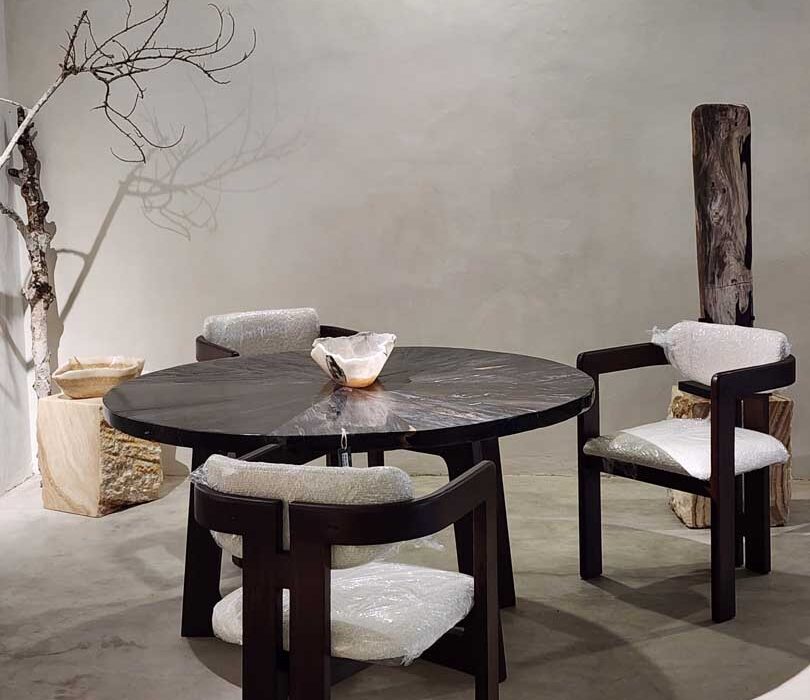

How to Buy Furniture in Bali: 5 Must-Know Tips for Shoppers

Why Should You Buy Furniture in Bali?

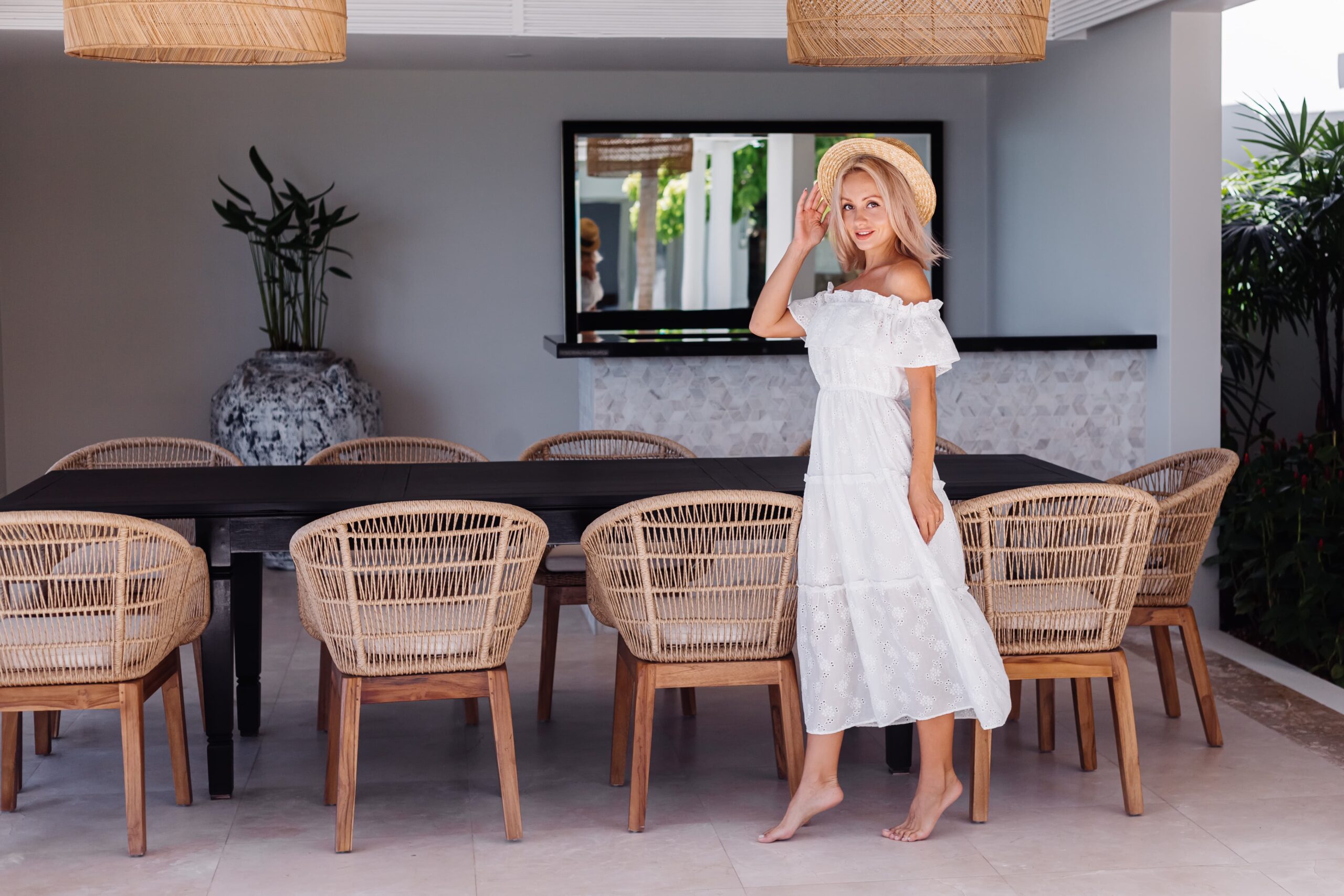
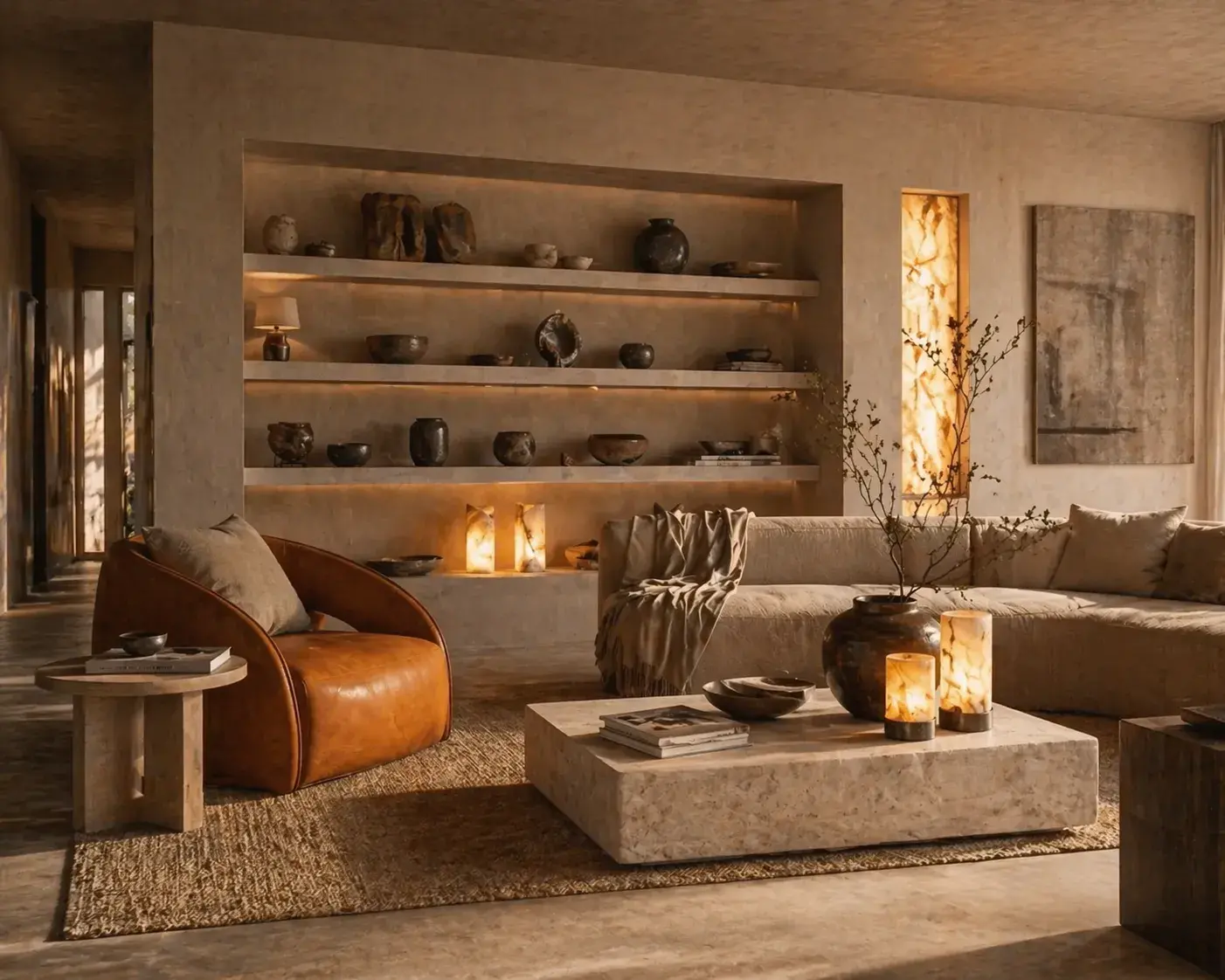
Bali is not only a tropical paradise but also a hub for beautiful, handcrafted furniture. From solid teak wood tables to unique rattan chairs and petrified wood décor, Bali offers endless options for homeowners, designers, and collectors. But before you make a purchase, there are a few important things you need to know. Here are 5 essential tips before buy furniture in Bali.

1. Understand the Type of Wood

buy furniture in Bali

Most Balinese furniture is made from teak, suar, mahogany, or recycled boat wood. Each has different qualities:

  • Teak: Durable, water-resistant, great for indoor and outdoor use.
  • Suar Wood: Beautiful grain, best for large dining tables.
  • Recycled Wood: Eco-friendly and unique, but may have imperfections.
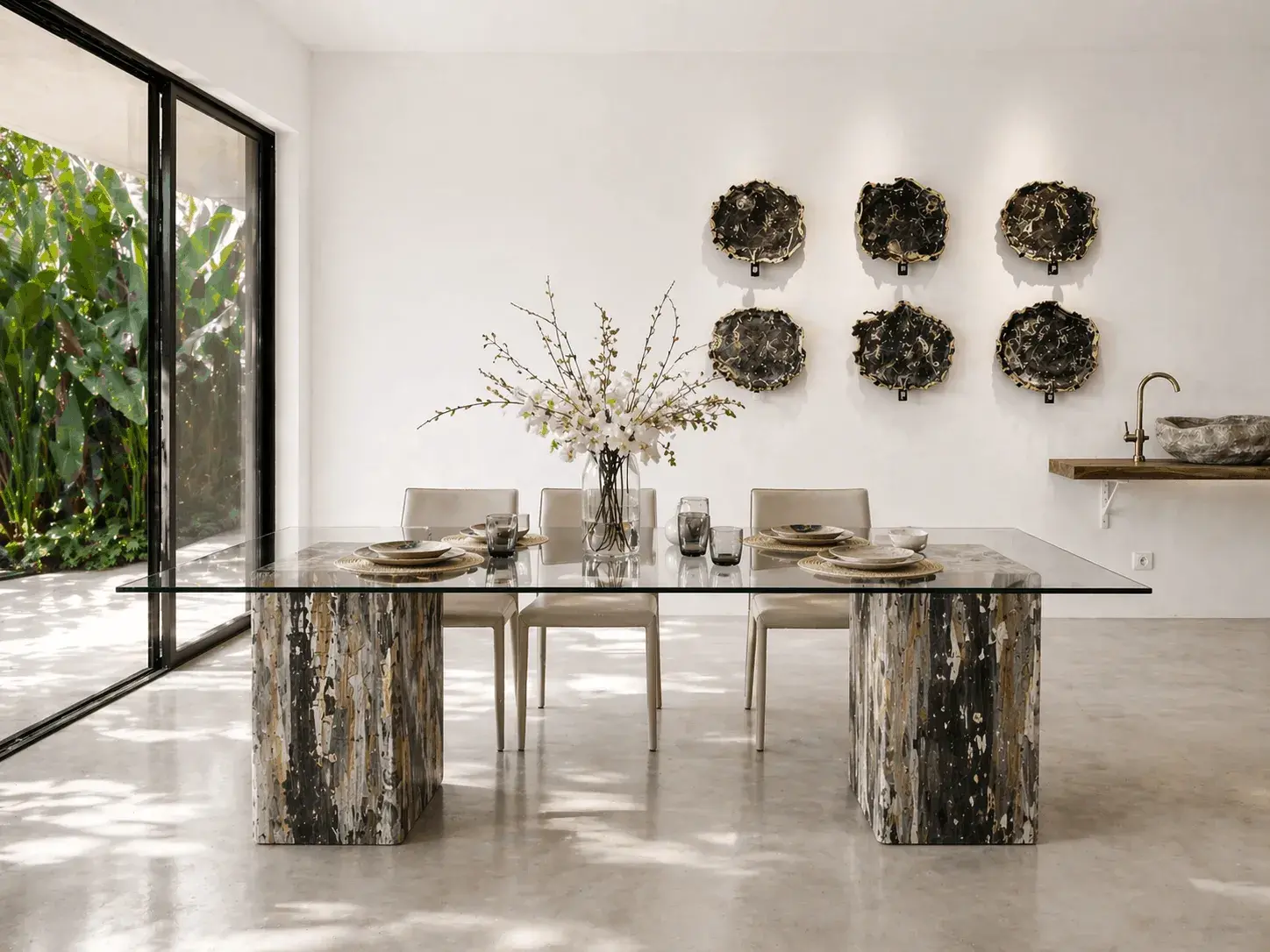
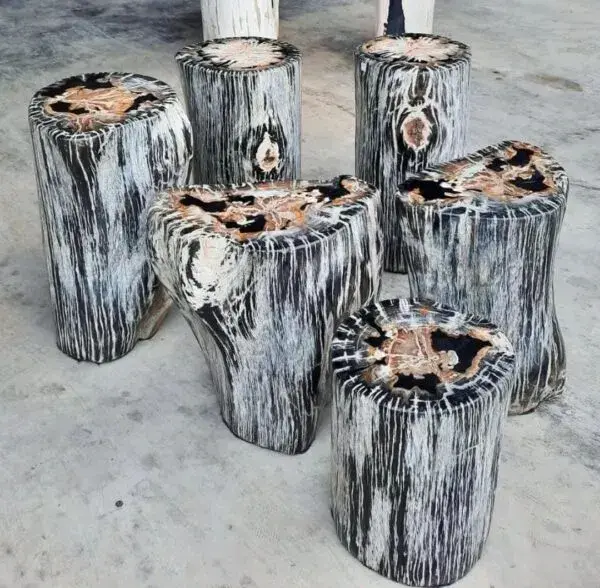
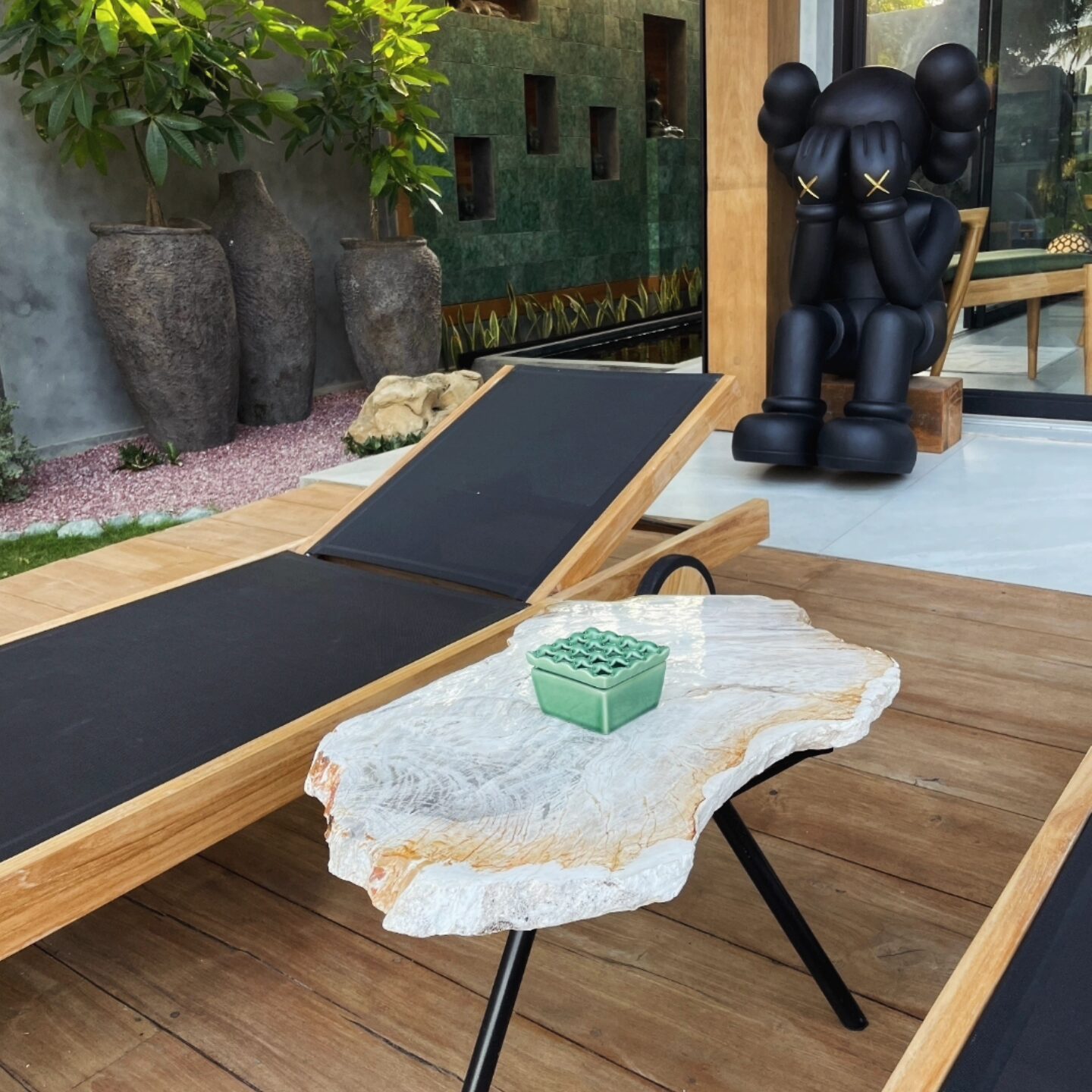
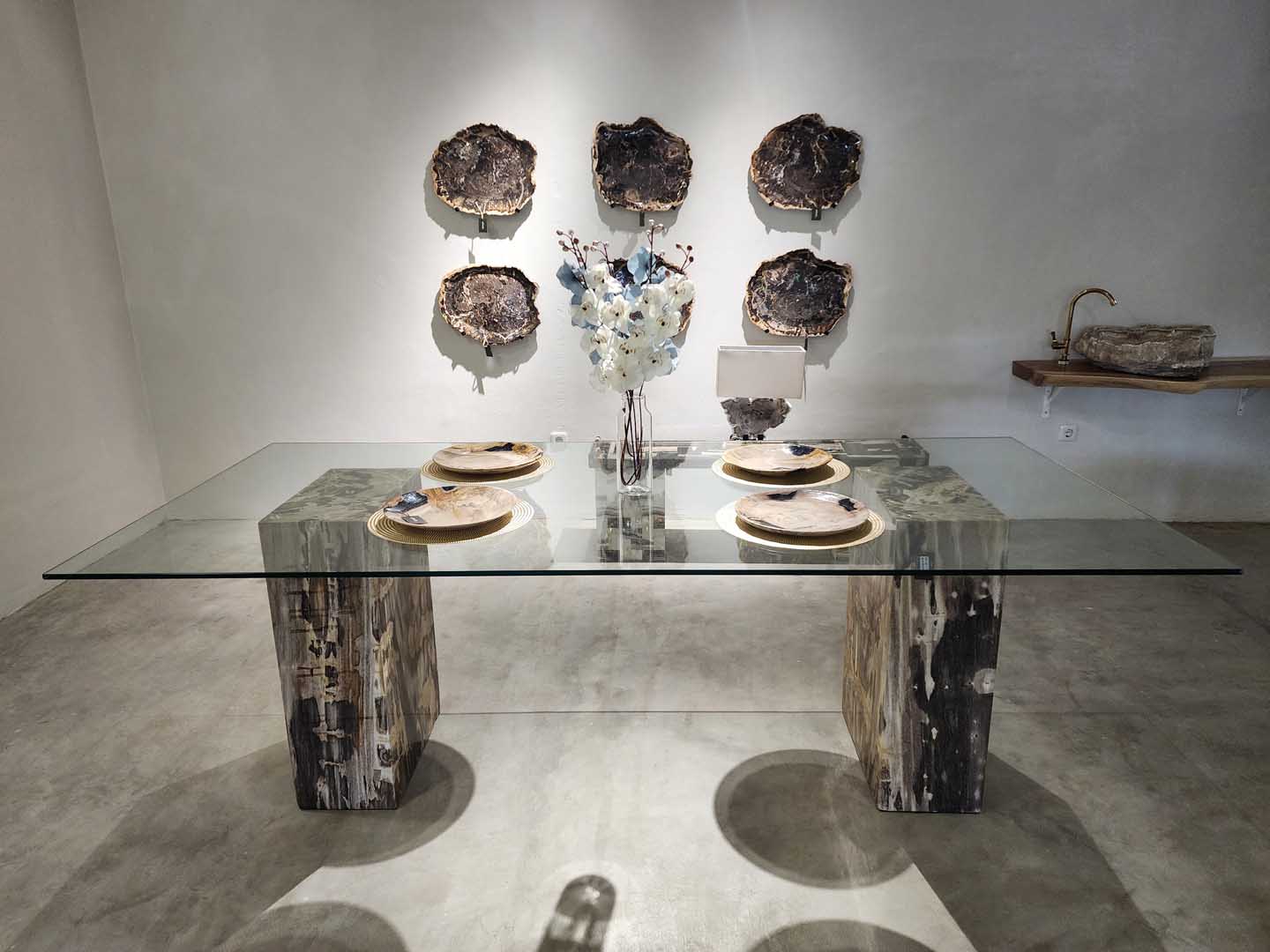
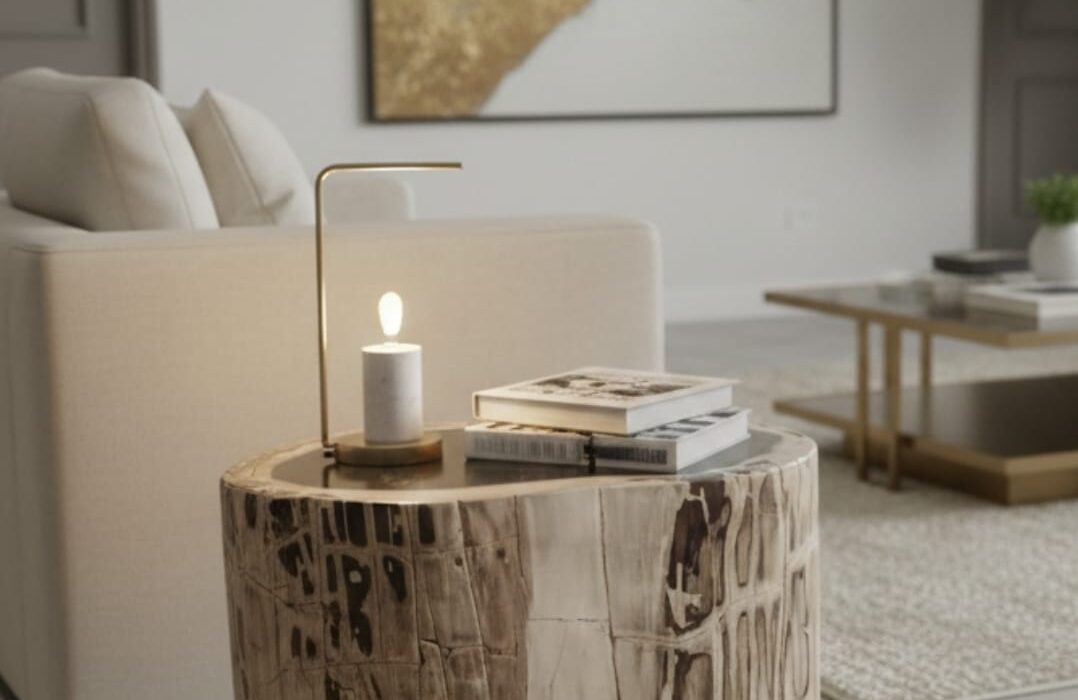
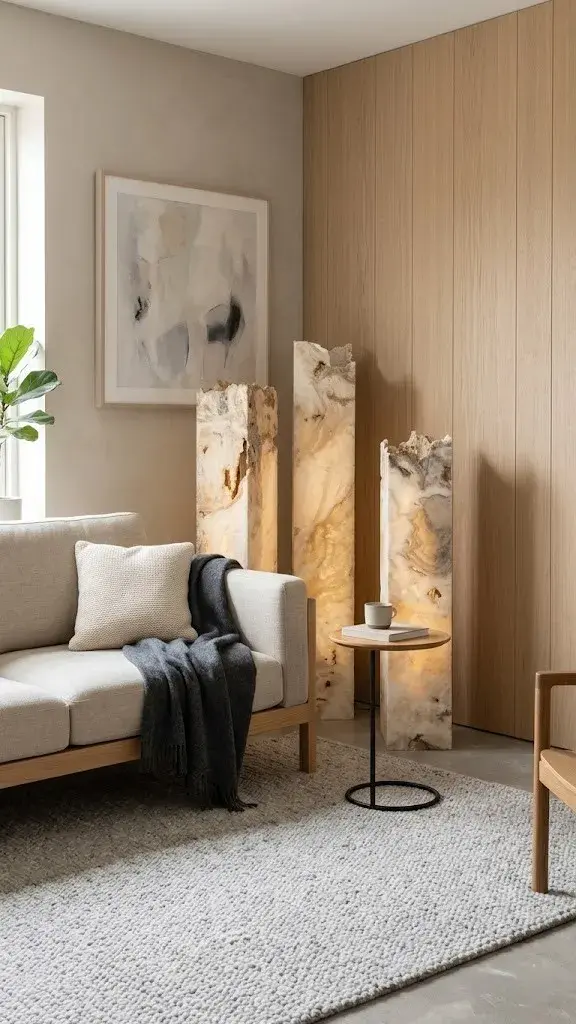
  • Petrified Wood: Fossilized stone-wood, extremely durable, luxurious, and one-of-a-kind.

Tip: Always ask the seller about the source of the wood and whether it’s kiln-dried (for regular wood) or polished (for petrified wood) to ensure quality.

2. Bargain, But Know the Market Price

buy furniture in Bali

Prices in Bali vary widely depending on location and the shop. Tourist areas like Seminyak and Ubud are more expensive, while workshops in Jepara or Gianyar may offer better deals.

Tip: Research average prices online and don’t be afraid to negotiate — bargaining is part of the culture.

If you’re after petrified wood furniture or décor, Bali offers affordable prices compared to international markets, while still delivering premium quality.

3. Consider Shipping & Logistics

buy furniture in Bali

Shipping furniture overseas can cost more than the furniture itself. Make sure you ask about:

  • Export services (many shops partner with shipping companies).
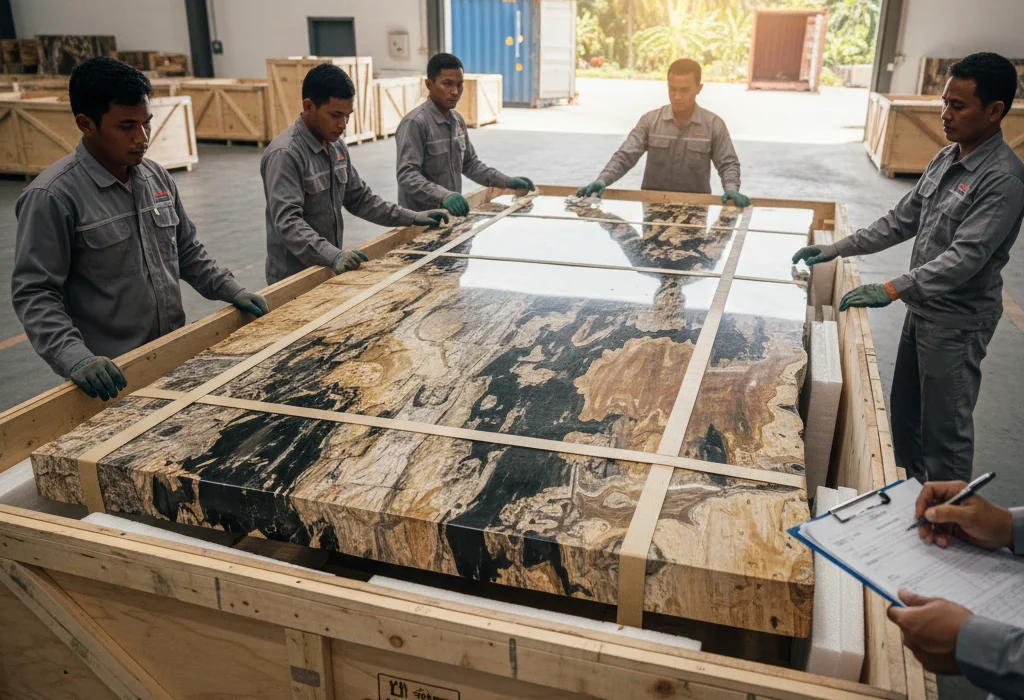
  • Packing quality (wood must be well-protected for long journeys).
  • Customs and import taxes in your country.

Tip: If buying multiple pieces, consolidate shipping to save money.

Many Bali suppliers already have global shipping solutions in place, making it easier and safer to export.

CV Anugrah Raya Kreasi | Bali Transport and Logistic – Home

4. Check the Craftsmanship & Quality

buy furniture in Bali

Not all furniture is created equal. Look for signs of good craftsmanship:

  • Smooth finishing without cracks.
  • Strong joints and sturdy build.
  • Quality hardware (hinges, handles).

Tip: Visit the workshop if possible — many shops in Bali allow you to see how the furniture is made.

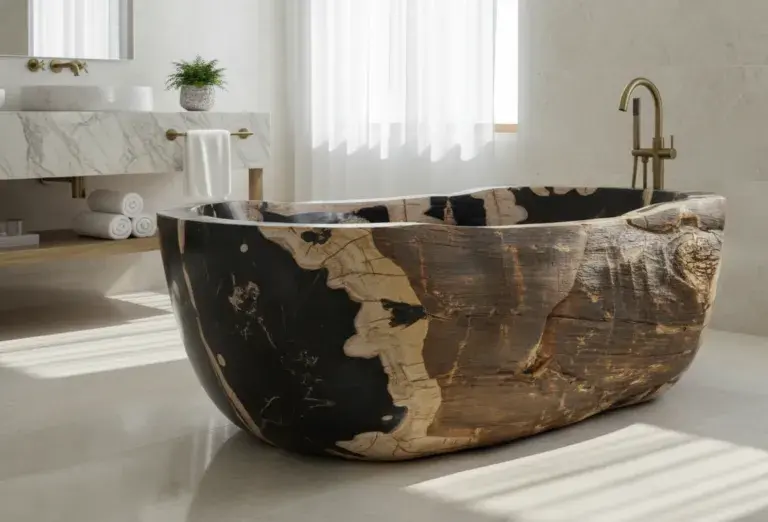
In the case of petrified wood, craftsmanship matters in how the stone is cut, polished, and finished. Bali artisans are known for producing world-class petrified wood tables, sinks, and sculptures.

Cutting Polishing Process – Bali Petrified Wood

5. Customization is Possible (and Common)

buy furniture in Bali

One of the best things about buying furniture in Bali is the ability to customize. Many artisans will happily create bespoke pieces based on your design or adapt existing furniture to your specifications.

Tip: Bring reference photos or drawings to make communication easier.

With Bali petrified wood, customization is also possible — from coffee tables to countertops, sinks, and decorative art pieces, tailored to your space and style.

✅ Conclusion: Shop Smart, Invest Wisely

Buying furniture in Bali can be a rewarding experience — you’ll bring home a piece of craftsmanship that tells a story. Just remember to check the wood, compare prices, plan shipping, inspect quality, and consider customization before making your purchase.

And if you’re looking for something truly timeless, Bali petrified wood is an excellent choice:
✔️ Good quality and durability
✔️ Affordable compared to global markets
✔️ Export-ready with worldwide shipping
✔️ Best craftsmanship from skilled artisans
✔️ Fully customizable for your home or project

That way, your Bali furniture won’t just be beautiful — it will last for generations.

Shop – Bali Petrified Wood

Wood, Petrified Wood, and Marble Treatment

Complete Guide to Wood, Petrified Wood, and Marble Treatment for Long-Lasting Beauty

Natural materials such as wood, petrified wood, and marble bring timeless beauty and elegance to any space. However, without proper care, their charm and durability can fade over time. In this guide, we’ll explore the best wood treatment techniques, petrified wood maintenance tips, and marble treatment methods to ensure they remain stunning for years to come.


1. Wood Treatment

wood, petrified wood, and marble treatment

Wood is vulnerable to moisture, pests, and weather changes. To preserve its quality:

  • Drying (Kiln Dry) – Reduces moisture content to prevent cracks and warping.

  • Anti-Termite & Anti-Fungal Protection – Apply borax, boric acid, or specialized wood preservatives.

  • Finishing & Coating

    • Varnish / Clear Coat to protect the natural color.

    • Wood Stain for color enhancement and added protection.

    • Oil Treatment (teak oil, linseed oil) for natural luster.

  • Routine Care – Dust regularly, avoid excessive water exposure, and re-coat every 1–2 years. Complete guide >> 9 Effective Wood Treatment Options That Seasoned Builders Swear By – Journeyman HQ


2. Petrified Wood Treatment

petrified wood and marble treatment

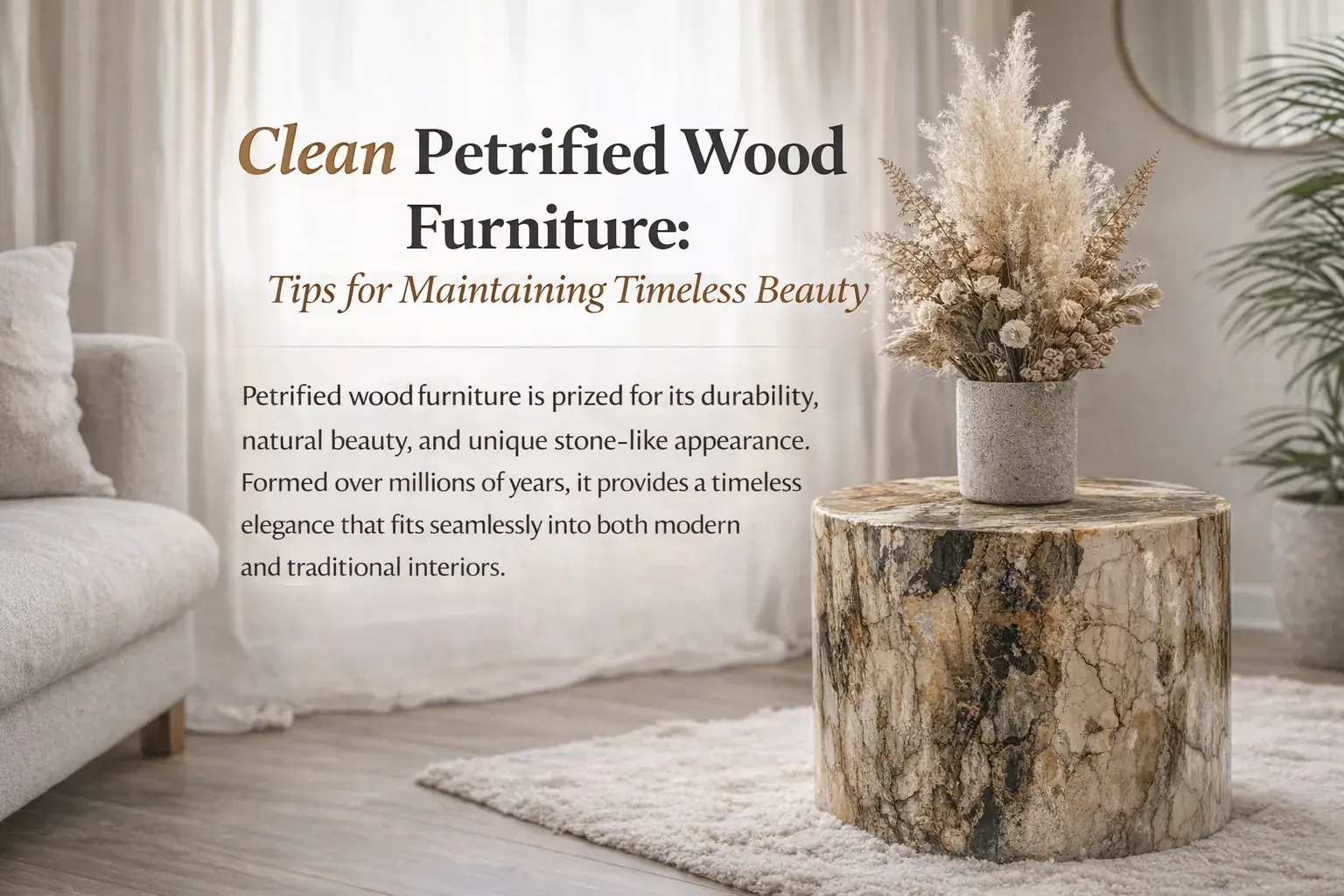
Petrified wood is ancient wood transformed into stone through mineralization over millions of years. While extremely hard, it still needs proper care:

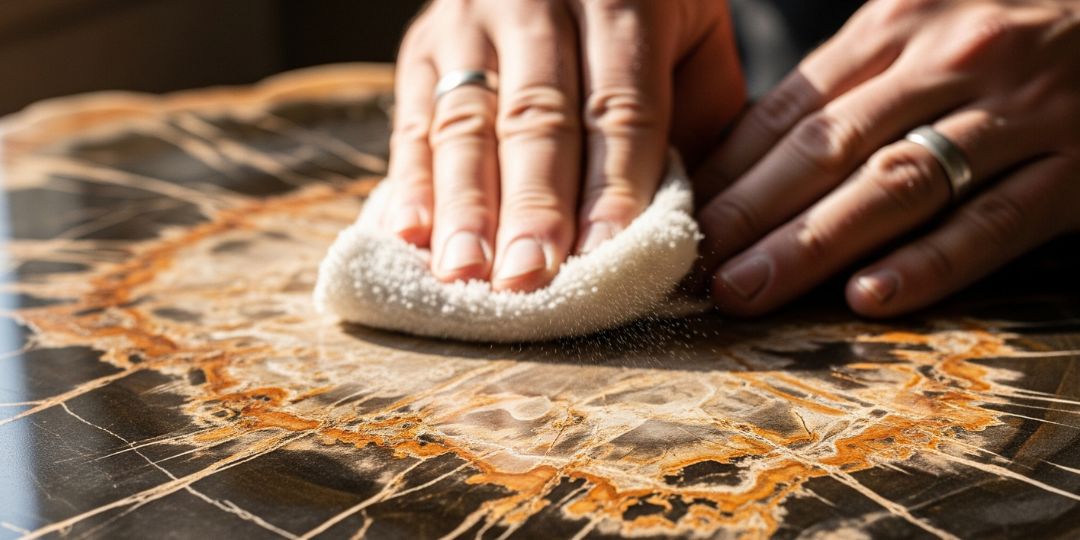
  • Gentle Cleaning – Use a microfiber cloth or soft fabric.

  • Professional Polishing – Use a diamond polishing pad or aluminum oxide powder to restore shine.

  • Surface Protection – Apply natural stone wax for extra gloss and protection.

  • Avoid Extreme Temperatures – Sudden changes can cause micro-cracks.


3. Marble Maintenance

marble treatment
marble treatment

Marble is a luxurious stone but sensitive to acids and scratches. For best results:

  • Daily Cleaning – Use a soft cloth with neutral pH soap.

  • Avoid Acidic Cleaners – No vinegar, lemon, or regular tile cleaners.

  • Marble Polishing – Use oxalic acid-based marble polishing powder with a felt pad.

  • Sealing – Apply marble sealer every 6–12 months to prevent stains.

  • Scratch Prevention – Use coasters, mats, and protective pads.


4. Comparison Table: Wood vs. Petrified Wood vs. Marble Treatment

Feature / Material Wood Petrified Wood Marble
Durability Medium (depends on treatment) Extremely high High, but sensitive to acids
Cleaning Dry cloth, mild soap Microfiber cloth Soft cloth, pH-neutral soap
Polishing Method Sanding, oil, varnish Diamond pad or aluminum oxide compound Oxalic acid-based powder + felt pad
Protection Varnish, wood stain, oil Stone wax Marble sealer
Maintenance Frequency Every 1–2 years Every 2–3 years Sealing every 6–12 months

5. Frequently Asked Questions (FAQ)

Q1: How often should I reapply protective coatings on wood furniture?
A: Generally, every 1–2 years depending on usage and exposure to sunlight or moisture.

Q2: Can petrified wood be used outdoors?
A: Yes, but ensure it’s protected from extreme temperature changes to avoid micro-cracks.

Q3: What’s the best way to restore shine to marble?
A: Use a marble polishing powder (oxalic acid-based) with a felt pad and follow up with a marble sealer.

Q4: Is petrified wood completely maintenance-free?
A: No. While it’s very durable, periodic polishing and cleaning are recommended to keep it looking its best.

Q5: Can I use regular tile cleaner on marble?
A: No. Acidic cleaners will etch and dull the marble surface — always use pH-neutral products.


Conclusion

Whether it’s wood, petrified wood, or marble, each requires unique care to maintain its natural beauty and strength.
With the right cleaning, polishing, and protective treatments, these materials can remain timeless investments for decades.

Check Our Petrified Wood Collections:

Shop – Bali Petrified Wood

7 Best Petrified Wood Furniture for Cozy Dining Room Interior

Definition of Petrified Wood and 5 Function of It

Let’s start with definition of petrified wood. Petrified wood is a fossil. It forms when plant material is buried by sediment and protected from decay due to oxygen and organisms. Then, groundwater rich in dissolved solids flows through the sediment, replacing the original plant material with silicacalcitepyrite, or another inorganic material such as opal. The result is a fossil of the original woody material that often exhibits preserved details of the bark, wood, and cellular structures.

Some specimens of petrified wood are such accurate preservations that people do not realize they are fossils until they pick them up and are shocked by their weight. These specimens with near-perfect preservation are unusual; however, specimens that exhibit clearly recognizable bark and woody structures are very common.

Definition of Petrified Wood in Indonesia

Indonesia has large expanses of petrified wood from the very old period. Indonesian petrified wood vary from the fossil of Araucarioxylon of Paleozoic (around 290-300 million years ago), which is older than dinosaurs, was found in Merangin, Jambi. Moving eastern, petrified trees cover several areas in Banten, which is in the western region of Java, Indonesia. The ancient forest was dominated by trees with winged fruits such as mersawa keruing, kamper, merawan, and meranti. The nearest living relative of Dryobalanoxylon seems absent from the present-day natural forests of Java, while the living relatives of other fossil genera are rarely present. In addition to the dipterocarp trees, fossil wood related to ketapang , kenari, kempas were also reported by Ir. Yance Mandang. His research as a wood anatomist has made a lasting impact on our knowledge of extinct plant diversity in Southeast Asia and Oceania, as well as of past climates throughout millennia. 

Read More: 5 Best Furniture in Bali Loved by Interior Designers With Global Shipping

In general, the evidence from Indonesia paints a picture of a volatile and erratic history. Indonesia is right at the confluence of four tectonic plates, the Eurasian plate, the Australian plate, the Philippine Sea plate and the Pacific plate.

This massive interaction of tectonic plates also led to one of the planet’s most volcanically active areas. The fossil record in these areas, created in part by the ash the volcanoes spewed out, is rich and informative about which species were present, and approximately when. As these plates collided over time, their landmasses have exchanged many flora and fauna, creating a confusing and dynamic history. Petrified wood gives us one of the best views of this historical exchange. Luckily, Indonesia has one of the largest deposits of petrified wood in the world coming mainly from drastic volcanic activity and flooding around 20 million years ago.

5 Functions of Petrified Wood: From Ancient Relics to Modern Masterpieces

Petrified wood is much more than just a fossilized tree; it is a bridge between the prehistoric world and modern luxury. Known for its durability and stunning patterns, here are five primary functions of this unique material:

1. High-End Interior Statement Pieces

The most sought-after use for this material is petrified furniture. Because the wood has turned into stone (quartz or jasper) over millions of years, it creates incredibly heavy and durable pieces. From monolithic coffee tables to side tables, these items serve as the ultimate “statement piece” in luxury homes.

2. The Artistic Allure of Indonesian Petrified Wood

Indonesia is world-renowned for having some of the highest-quality fossils. Indonesian petrified wood is famous for its rich color palettes—ranging from deep charcoals to creamy opals. Designers often use these raw or polished slabs as wall art or decorative sculptures to bring an earthy, sophisticated vibe to a room.

3. Tropical Luxury in Bali’s Design Scene

If you explore high-end furniture in Bali, you will notice a seamless blend of natural elements and modern minimalism. Petrified wood Bali artisans are masters at transforming raw fossils into functional art, such as:

  • Luxury washbasins for boutique hotels.

  • Solid stools for tropical gardens.

  • Decorative bowls and trays for five-star villas.

4. Bespoke Jewelry and Fashion Accessories

Due to its hardness and “gem-like” quality after polishing, smaller fragments are often cut and cabochoned. It is frequently used for:

  • Unique Jewelry: Rings and pendants that carry a piece of history.

  • Luxury Accents: Inlays for premium watches or high-end office stationery.

5. Scientific Research and Geological Education

Beyond its beauty, petrified wood serves as a “time capsule.” It allows geologists to study ancient ecosystems, tree ring patterns from millions of years ago, and the specific mineral conditions of the earth during the fossilization process.

Where to Find Petrified Wood in Bali?

You can explore our full collection of responsibly sourced and beautifully crafted petrified wood furniture in bali here:
Shop – Bali Petrified Wood

Or visit our gallery/showroom in Bali to see these treasures up close:

Bali Petrified Wood – Google Maps

Contact Us / WhatsApp Inquiry:

https://wa.me/6281999951939

Petrified Wood Furniture from Bali | Global Shipping

Add to cart