Complete Guide to Wood, Petrified Wood, and Marble Treatment for Long-Lasting Beauty
Natural materials such as wood, petrified wood, and marble bring timeless beauty and elegance to any space. However, without proper care, their charm and durability can fade over time. In this guide, we’ll explore the best wood treatment techniques, petrified wood maintenance tips, and marble treatment methods to ensure they remain stunning for years to come.
1. Wood Treatment

Wood is vulnerable to moisture, pests, and weather changes. To preserve its quality:
-
Drying (Kiln Dry) – Reduces moisture content to prevent cracks and warping.
-
Anti-Termite & Anti-Fungal Protection – Apply borax, boric acid, or specialized wood preservatives.
-
Finishing & Coating
-
Varnish / Clear Coat to protect the natural color.
-
Wood Stain for color enhancement and added protection.
-
Oil Treatment (teak oil, linseed oil) for natural luster.
-
-
Routine Care – Dust regularly, avoid excessive water exposure, and re-coat every 1–2 years. Complete guide >> 9 Effective Wood Treatment Options That Seasoned Builders Swear By – Journeyman HQ
2. Petrified Wood Treatment
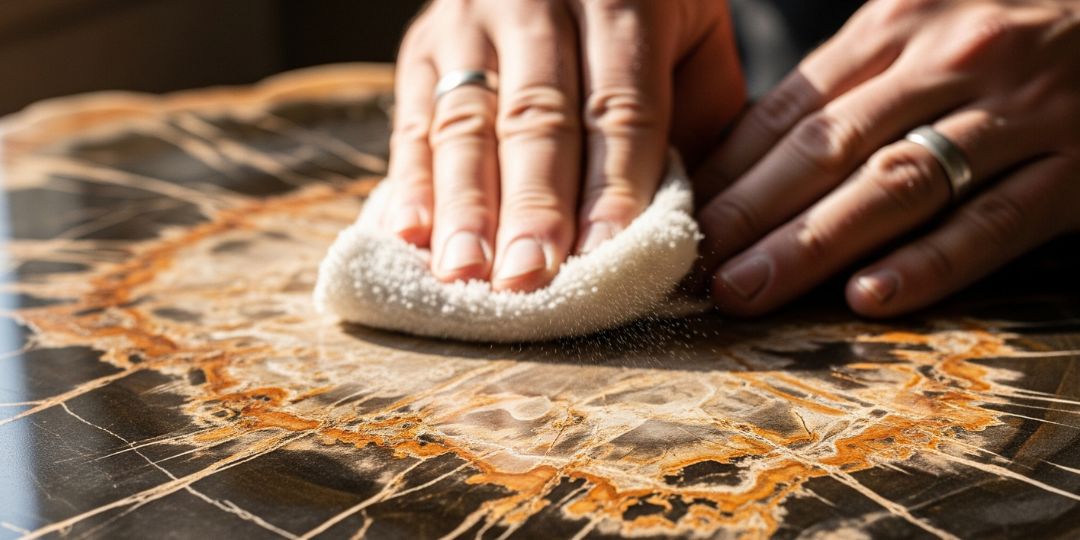
Petrified wood is ancient wood transformed into stone through mineralization over millions of years. While extremely hard, it still needs proper care:
-
Gentle Cleaning – Use a microfiber cloth or soft fabric.
-
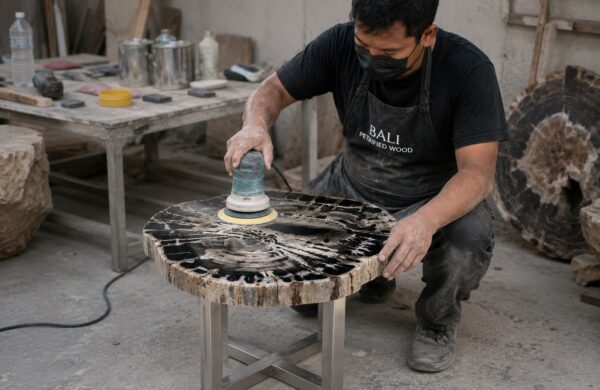
Professional Polishing – Use a diamond polishing pad or aluminum oxide powder to restore shine.
-
Surface Protection – Apply natural stone wax for extra gloss and protection.
-
Avoid Extreme Temperatures – Sudden changes can cause micro-cracks.
3. Marble Maintenance

Marble is a luxurious stone but sensitive to acids and scratches. For best results:
-
Daily Cleaning – Use a soft cloth with neutral pH soap.
-
Avoid Acidic Cleaners – No vinegar, lemon, or regular tile cleaners.
-
Marble Polishing – Use oxalic acid-based marble polishing powder with a felt pad.
-
Sealing – Apply marble sealer every 6–12 months to prevent stains.
-
Scratch Prevention – Use coasters, mats, and protective pads.
4. Comparison Table: Wood vs. Petrified Wood vs. Marble Treatment
| Feature / Material | Wood | Petrified Wood | Marble |
|---|---|---|---|
| Durability | Medium (depends on treatment) | Extremely high | High, but sensitive to acids |
| Cleaning | Dry cloth, mild soap | Microfiber cloth | Soft cloth, pH-neutral soap |
| Polishing Method | Sanding, oil, varnish | Diamond pad or aluminum oxide compound | Oxalic acid-based powder + felt pad |
| Protection | Varnish, wood stain, oil | Stone wax | Marble sealer |
| Maintenance Frequency | Every 1–2 years | Every 2–3 years | Sealing every 6–12 months |
5. Frequently Asked Questions (FAQ)
Q1: How often should I reapply protective coatings on wood furniture?
A: Generally, every 1–2 years depending on usage and exposure to sunlight or moisture.
Q2: Can petrified wood be used outdoors?
A: Yes, but ensure it’s protected from extreme temperature changes to avoid micro-cracks.
Q3: What’s the best way to restore shine to marble?
A: Use a marble polishing powder (oxalic acid-based) with a felt pad and follow up with a marble sealer.
Q4: Is petrified wood completely maintenance-free?
A: No. While it’s very durable, periodic polishing and cleaning are recommended to keep it looking its best.
Q5: Can I use regular tile cleaner on marble?
A: No. Acidic cleaners will etch and dull the marble surface — always use pH-neutral products.
Conclusion
Whether it’s wood, petrified wood, or marble, each requires unique care to maintain its natural beauty and strength.
With the right cleaning, polishing, and protective treatments, these materials can remain timeless investments for decades.
Check Our Petrified Wood Collections: