Organized Spaces Reduce Stress
Clutter often leads to stress and anxiety. The right furniture can help you maintain organization and bring peace of mind.
- Use storage benches or ottomans for hidden storage.
- Choose modular shelving to adapt to your lifestyle.
- Try foldable or multifunctional furniture for small spaces.
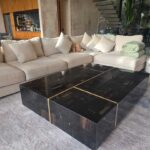
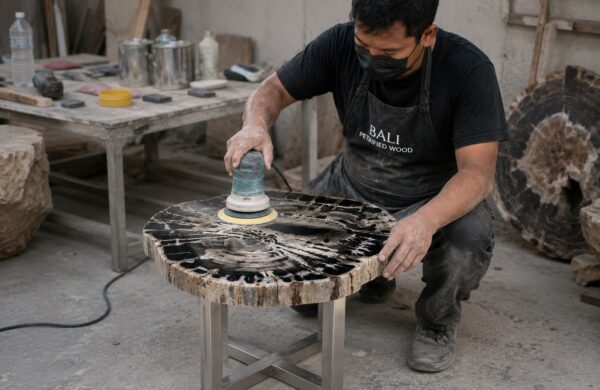
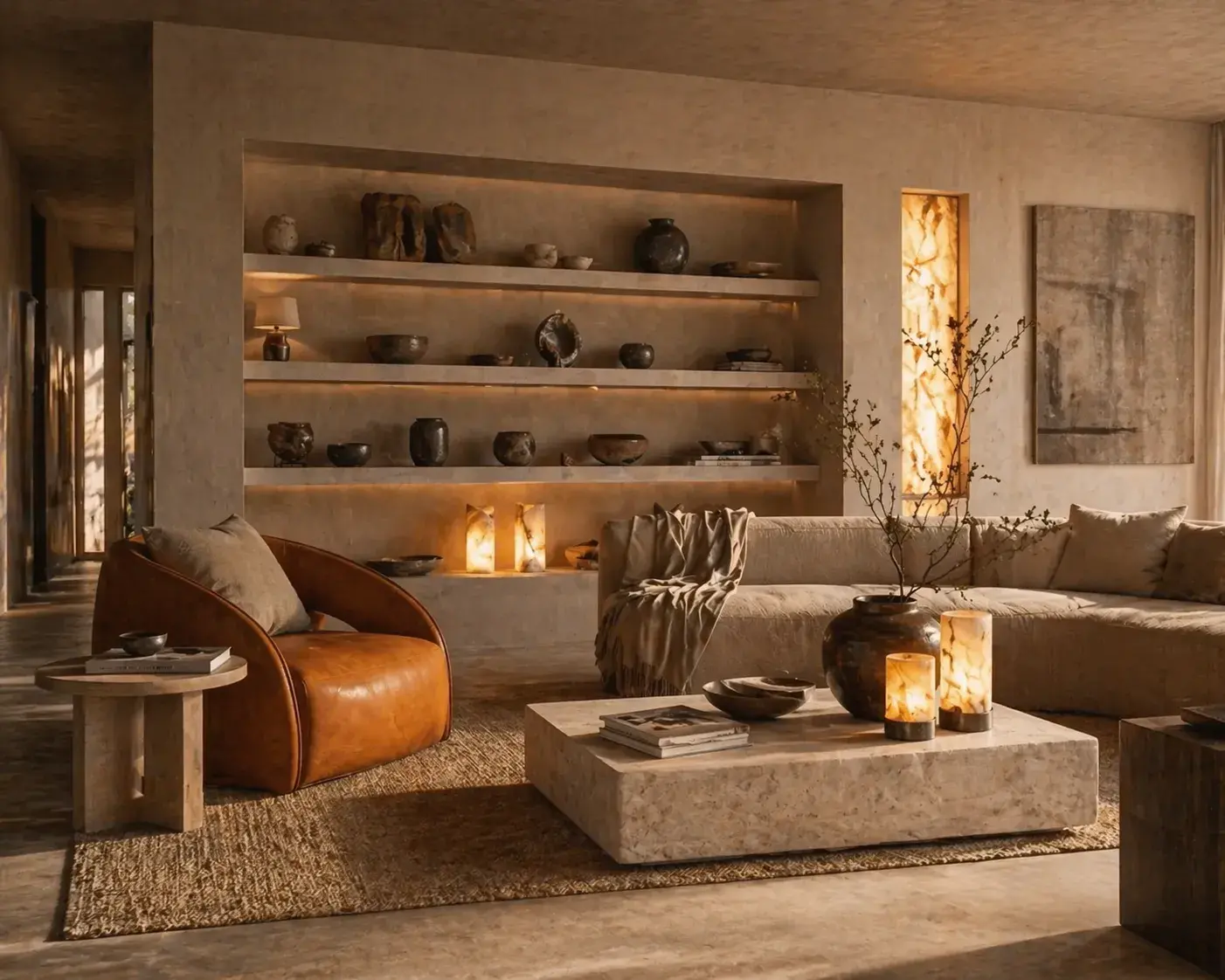
A well-organized room with smart furniture solutions allows you to focus better, rest more easily, and feel calmer overall. Incorporating luxury furniture made from natural materials such as petrified wood and onyx furniture can also create a more harmonious and elegant atmosphere. Beyond functionality, these unique furniture pieces add timeless beauty and help improve your mood by making your living space feel more balanced, sophisticated, and relaxing.
4. Furniture as Self-Expression
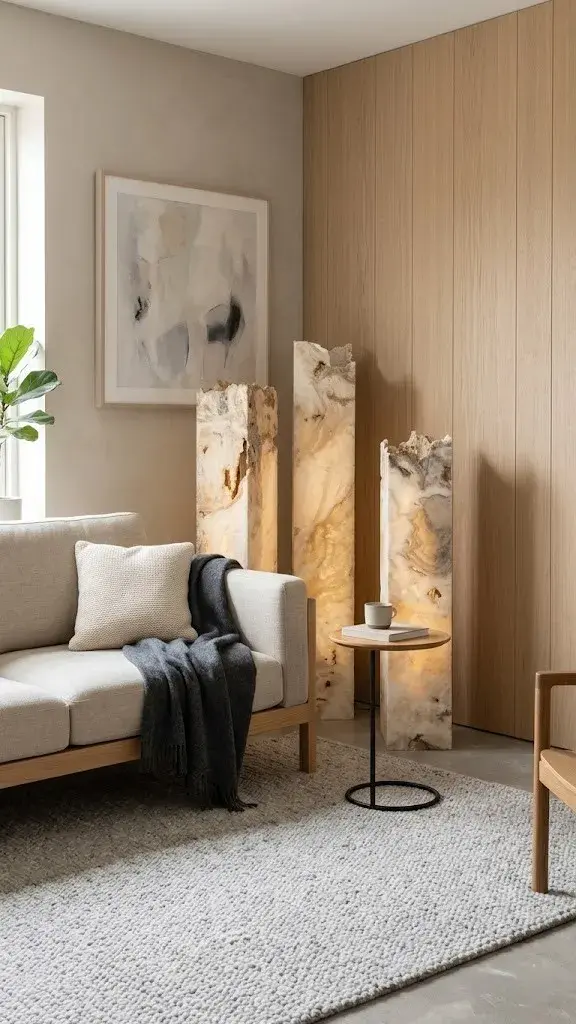
Furniture isn’t just functional—it’s a reflection of your personality.
Rustic wood tables may express warmth and tradition.
Sleek modern furniture may represent simplicity and focus.
Vintage or bohemian pieces add a sense of creativity and uniqueness.
Surrounding yourself with furniture that reflects who you are can give you a stronger sense of belonging and comfort at home.
5. Enhancing Social Connections Through Furniture
The arrangement and design of your furniture can shape how you connect with others.
Living room layout: A circular seating arrangement encourages conversation.
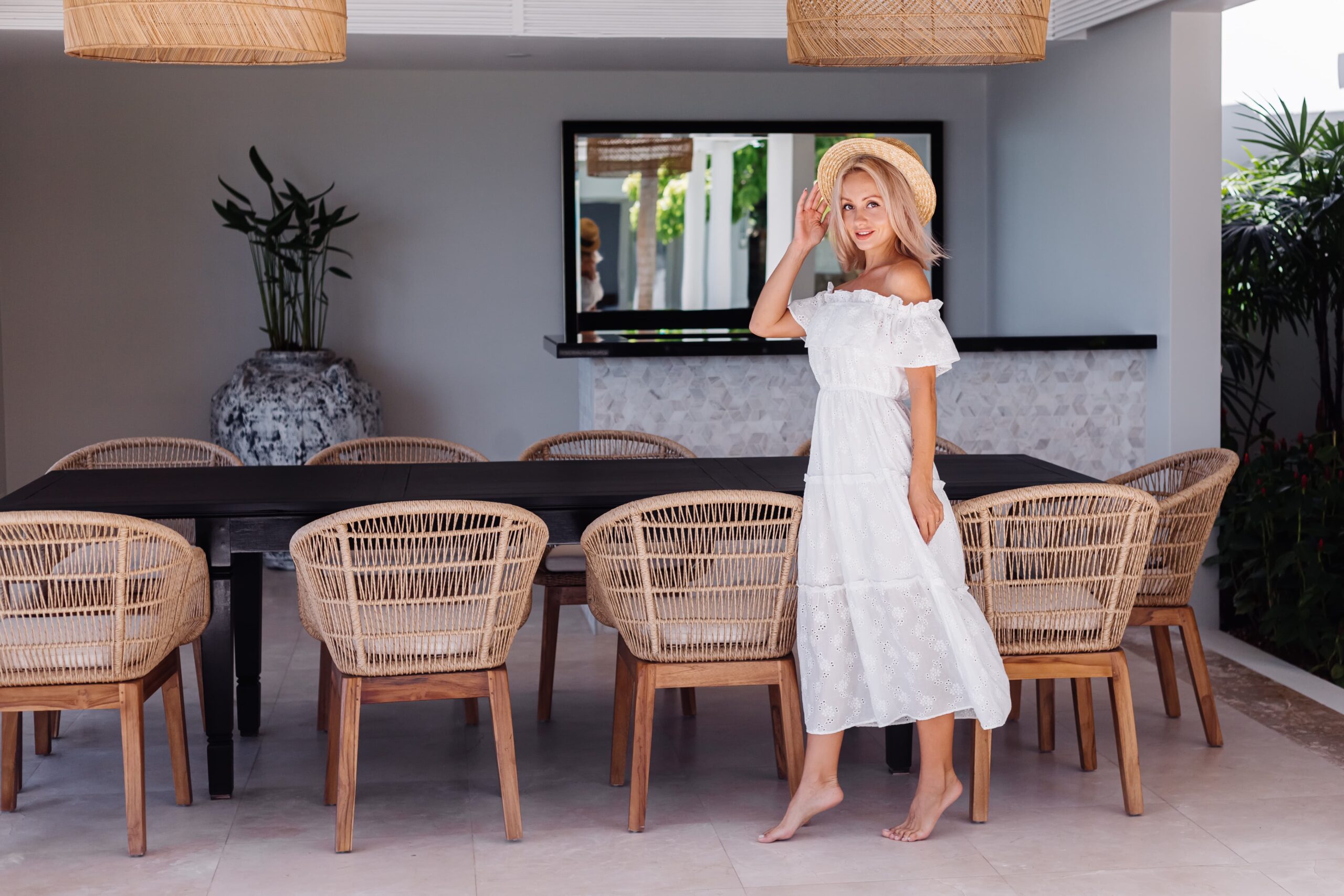
Dining room design: A large table invites family bonding.
Outdoor furniture: A cozy patio set creates opportunities for relaxation with friends.
Furniture that encourages social interaction creates lasting positive memories and boosts emotional well-being.
6. Furniture and Productivity at Home
For those who work or study from home, furniture impacts focus and efficiency.
Ergonomic desks and chairs reduce fatigue.
Minimalist setups eliminate distractions.
Natural light placement with furniture can enhance mood and energy levels.
By choosing functional yet stylish furniture, you can create a workspace that keeps you motivated and stress-free.
Furniture goes far beyond decoration. It affects how you feel, how you connect with others, and even how you work. Whether through color, comfort, or functionality, the right furniture can improve your mood at home and turn your living space into a true sanctuary.
Invest in pieces that align with your emotions and lifestyle, and you’ll find your home not just beautiful but truly uplifting. Luxury furniture crafted from natural materials like petrified wood and onyx furniture offers timeless elegance while creating a warm, calming atmosphere in every corner of your home.
Looking to transform your space with exclusive natural stone furniture? Buy luxury furniture at Bali Petrified Wood and discover handcrafted petrified wood and onyx furniture designed to elevate your home, improve your mood, and bring lasting sophistication to your interior.