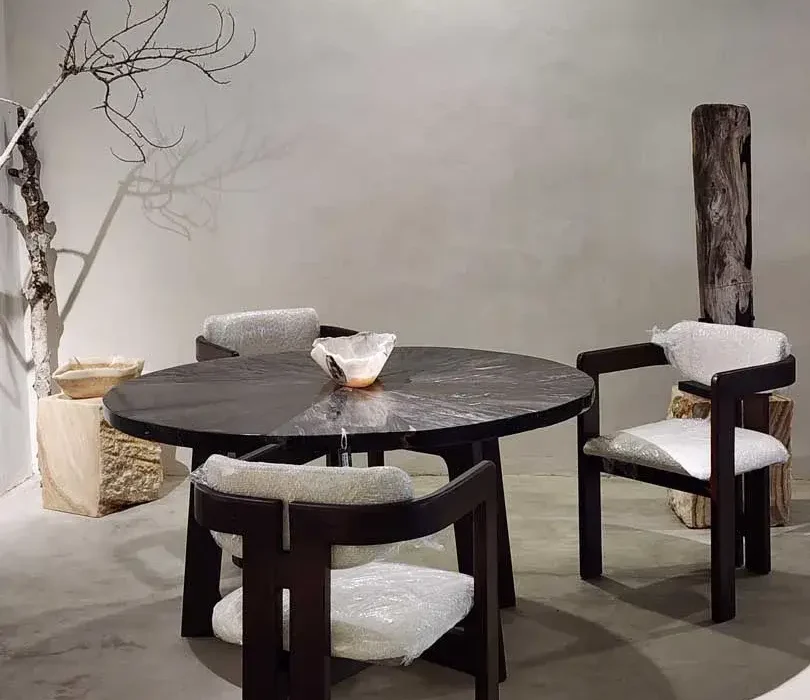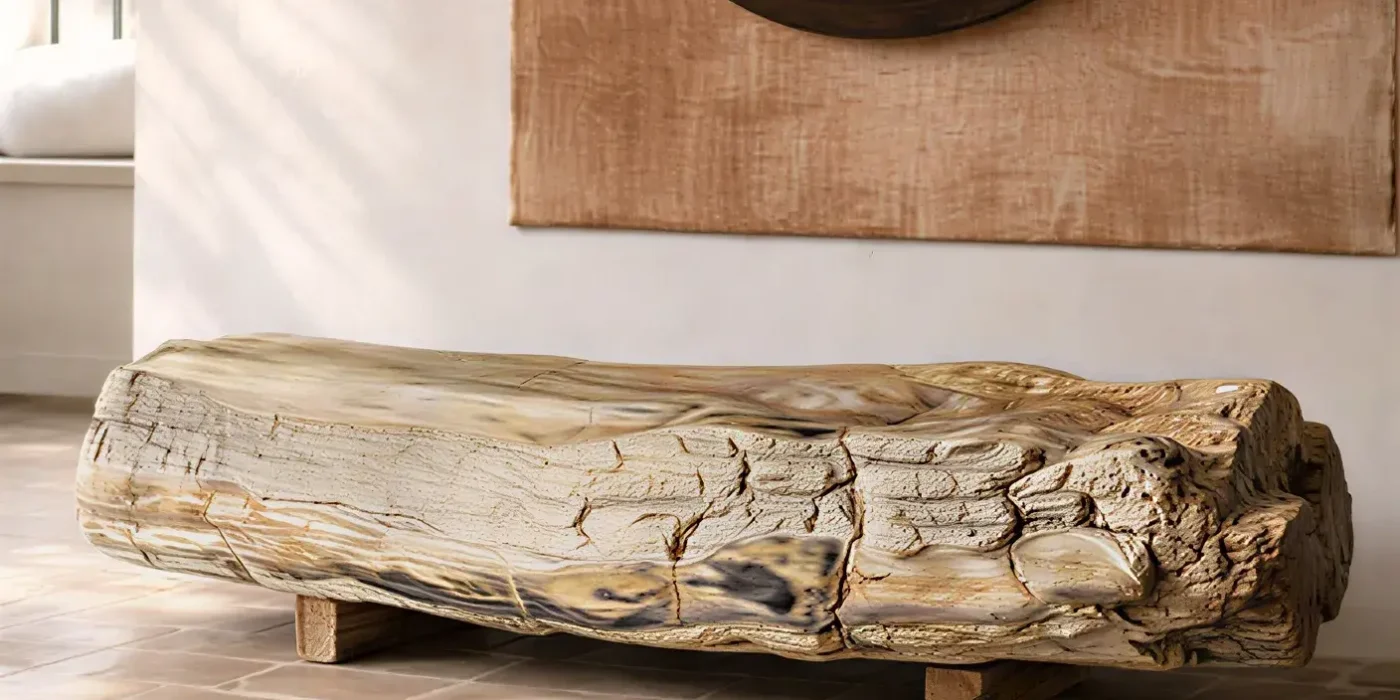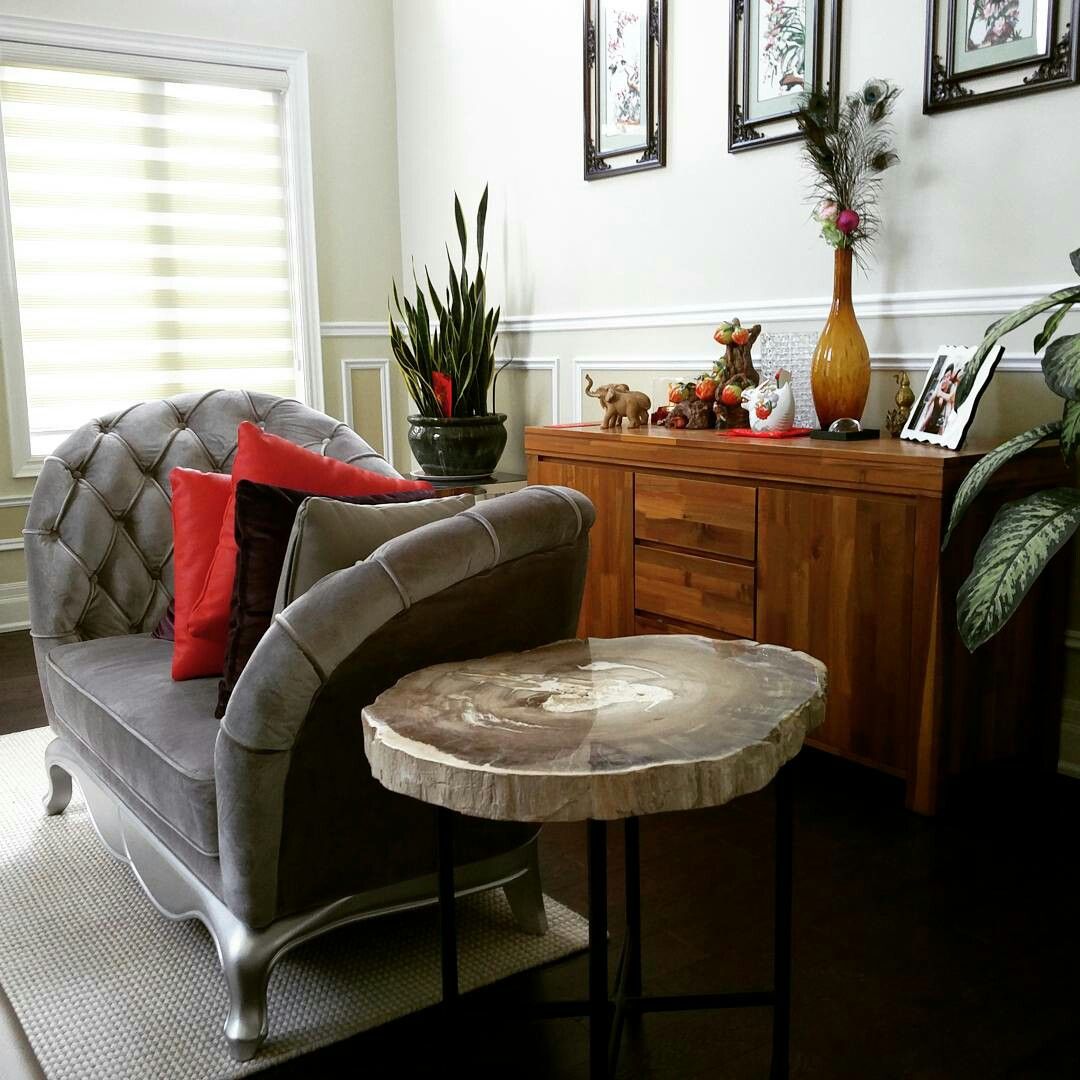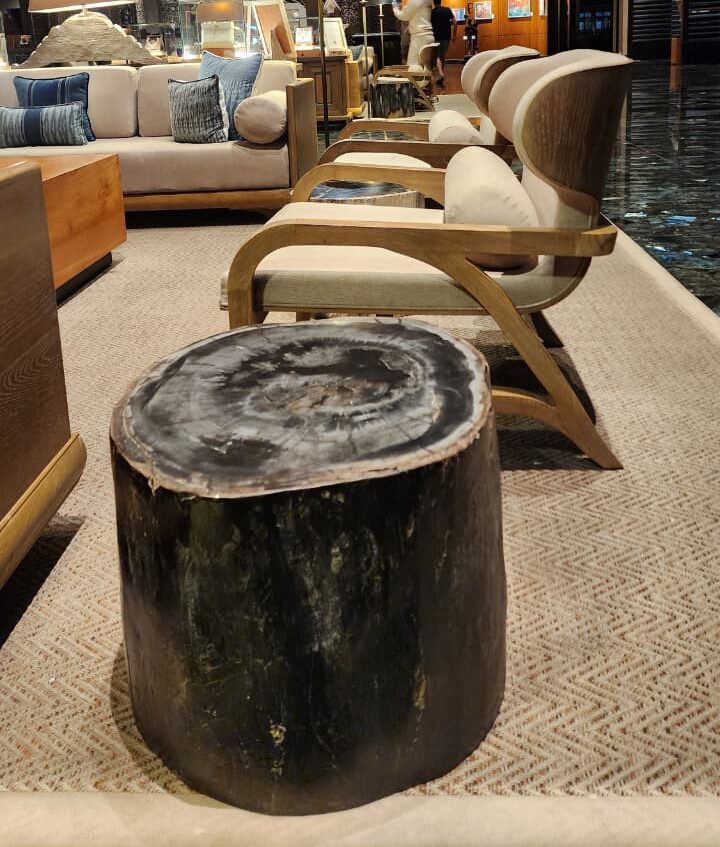
Black Petrified Wood and Its Purpose for Your Dining Interior

Black Petrified Wood and Its Purpose for Your Dining Interior

Black petrified wood is rich with elegant and glamorous vibes, While the dining room has evolved from a mere functional space into the soul of the home—a place where culinary art meets meaningful conversation. As homeowners and interior designers seek to move away from mass-produced furniture, the demand for “functional art” has surged.

black petrified wood for dining room

Read More: Petrified Wooden Stool for Interior: From Side Table into Perfectly Functional Stool

Formed over millions of years through a process known as permineralization, black petrified wood is not just a piece of decor; it is a literal slice of history. When integrated into a dining interior, it brings a sense of timelessness, grounding, and unparalleled sophistication.

The Allure of the Dark Aesthetic

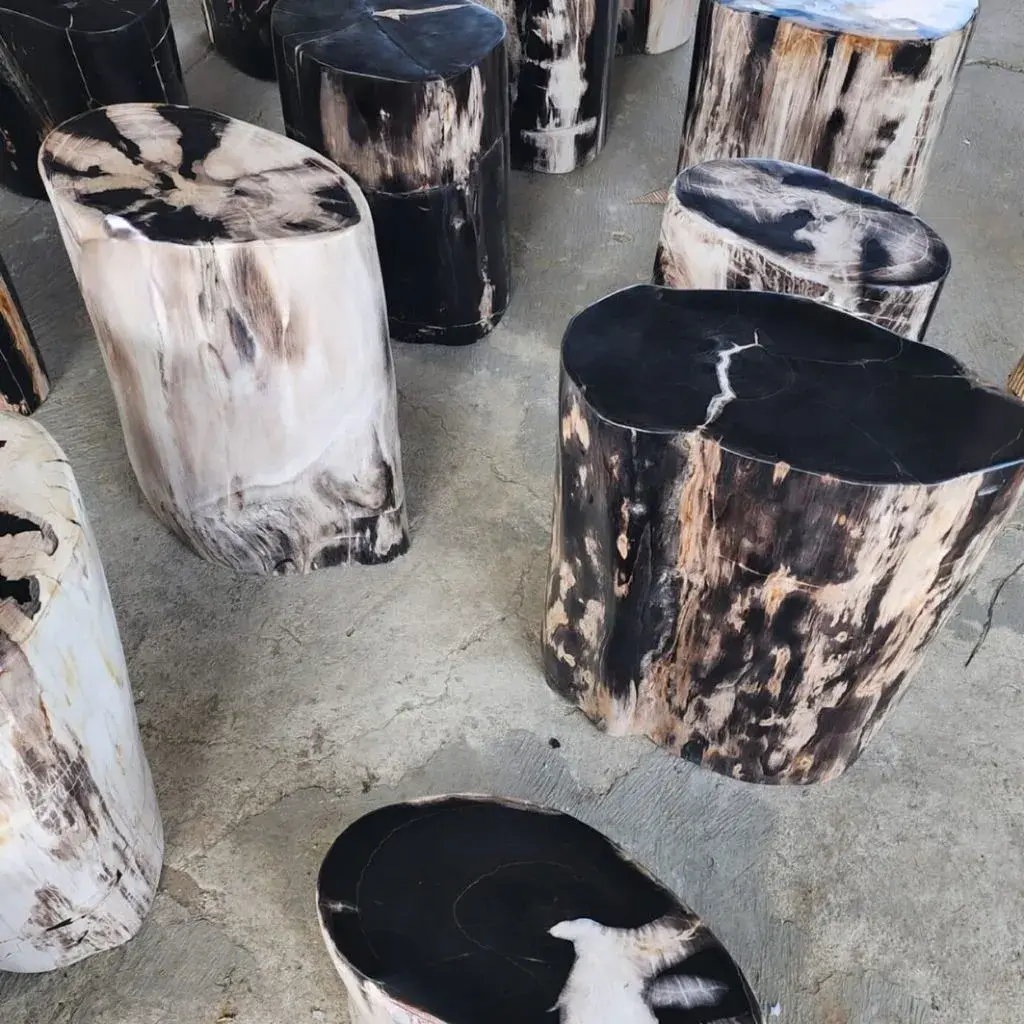
Black petrified wood is distinct from its brown or cream counterparts. Its deep, ebony hue is typically the result of high carbon or manganese concentrations in the soil during the fossilization process. This natural “blackening” creates a sleek, obsidian-like finish that retains the organic grain and rings of the original ancient tree.

In interior design, black is the ultimate color of authority and elegance. A black petrified wood dining table or sideboard acts as an anchor for the room, providing a visual weight that commands attention without being loud. Its dark surface reflects light subtly, offering a “quiet luxury” that complements both minimalist and maximalist styles.

Elevating the Dining Experience with Black Petrified Wood Material
Black Petrified Wood and Its Purpose for Your Dining Interior

Why choose black petrified wood over traditional marble or oak? The answer lies in its unique texture and durability.

  • A Conversation Starter: Imagine hosting a dinner party where the table itself is 20 million years old. The intricate patterns of the wood-turned-stone provide a tactile and visual experience that sparks curiosity.

  • Durability and Resilience: Because it has turned into stone (quartz or chalcedony), petrified wood is incredibly hard. It ranks high on the Mohs scale, making it resistant to scratches and heat—ideal for a busy dining environment where hot plates and heavy glassware are common.

  • One-of-a-Kind Artistry: No two slabs of petrified wood are identical. Each piece features its own unique fractures, crystalline pockets, and ring patterns. When you place a petrified wood piece in your dining room, you are guaranteed an exclusive item that cannot be replicated.

Integrating Black Petrified Wood into Your Interior

Incorporating such a powerful material requires a thoughtful approach to balance. Here are three ways to use black petrified wood in your dining space:

1. The Statement Dining Table

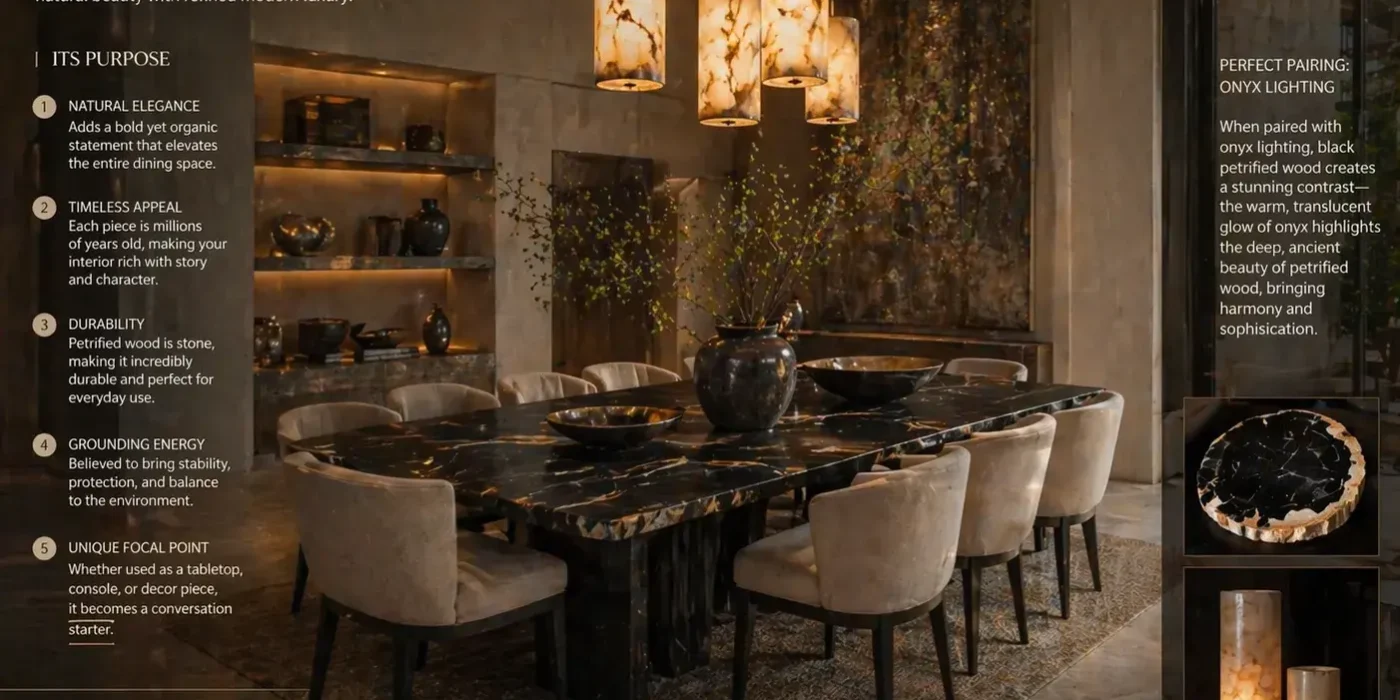
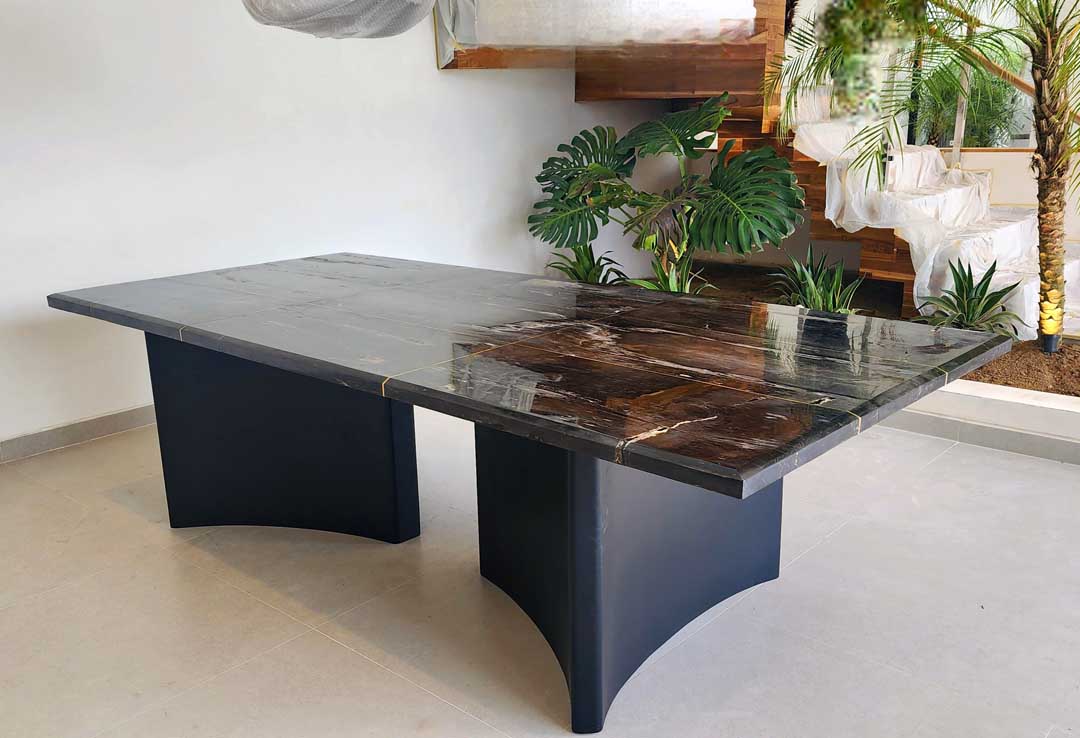
The most impactful way to use this material is as a centerpiece dining table. Paired with a contemporary metal base—such as brushed gold or matte black steel—a petrified wood slab bridges the gap between the ancient world and modern industrial design. It works beautifully against light-colored flooring or a neutral rug to create a high-contrast focal point.

2. Black Petrified Wood for Luxury Accents and Wall Art

If a full table feels too bold, consider smaller accents. Large “rounds” or slices of black petrified wood can be mounted on the wall as natural sculptures. Their organic shapes break up the straight lines often found in dining room cabinetry and architecture. Alternatively, petrified wood coasters or serving platters can add a touch of prehistoric elegance to your table setting.

Shop Now! Visit Our Shop to get the best price!

3. Lighting and Reflection

Black petrified wood pairs exceptionally well with warm lighting. Ambient light from a chandelier or pendant will catch the small quartz crystals often embedded within the wood’s pores, creating a subtle shimmer. This interplay between the dark stone and warm light creates a moody, intimate atmosphere perfect for evening dinner parties.

The Symbolism of Stability

Beyond aesthetics, many designers value petrified wood for its symbolic properties. Often referred to as the “Stone of Patience,” it represents longevity, stability, and a connection to the earth. In a dining room—a space meant for nourishing the body and soul—the presence of a material that has survived millions of years provides a sense of calm and permanence.

Conclusion

Black petrified wood is more than just a trend; it is an investment in nature’s own craftsmanship. It offers a rare combination of prehistoric mystery and modern luxury. By incorporating this material into your dining interior, you aren’t just decorating a room—you are curating a gallery of Earth’s history, ensuring that every meal is shared over a masterpiece.
Petrified Wood Furniture from Bali | Global Shipping

Luxury Dining Room Design with Three Timeless Styles

Luxury Dining Room Design with Three Timeless Styles

The Luxury Dining Room Design is the heart of social and family interaction, a space where memories are made around delicious meals. Choosing the right luxury dining room design style can transform this room from a mere eating area into a statement that reflects your personality.

Here are three of the most popular luxury dining room design styles that can inspire your room’s redecoration:

Read More: Unpacking 3 Differences Between Onyx and Petrified Wood

1. Scandinavian Minimalism

The Scandinavian style focuses on functionality, simplicity, and natural light. Its philosophy is to create a calm, tidy, and soothing space.

  • Color Palette: Dominated by neutral and bright colors such as white, light gray, and cream.

  • Key Materials: Light wood (such as pine or birch), natural textiles (linen, cotton), and clean lines without excessive ornamentation.

  • Accessories: Minimal. Focus on green plants in simple ceramic pots, and soft lighting, often using geometric pendant lamps. Chairs typically have an ergonomic design with slender wooden legs.

2. Contemporary Industrial Dining Room Style

This style celebrates rawness, unfinished textures, and the aesthetic of old factories. It is a bold style that often conveys a masculine and urban impression.

  • Color Palette: Dark and moody—black, charcoal gray, dark brown, with metal accents like copper or bronze.

  • Key Materials: Concrete, exposed brick, metal (wrought iron or steel), and thick, rough-textured reclaimed wood.

  • Accessories: Large hanging lights (Edison lighting), exposed pipes or ducts, open steel shelving, and large abstract artworks. Tables often feature thick wooden tops with sturdy black metal legs.

Shop Now! Visit Our Shop to get the best price!

3. Mid-Century Modern Dining Room Style

Popularized in the mid-20th century, this style is beloved for its combination of organic shapes, clean lines, and the use of bold colors. This style offers a retro yet timelessly chic vibe.

  • Color Palette: A mix of neutrals (white, walnut wood) with saturated accent colors (mustard, teal, orange, olive green).

  • Key Materials: Dark wood (walnut or teak), plastic or fiberglass for chairs (like Eames chairs), and textured fabric upholstery.

  • Accessories: Sputnik chandeliers, organically shaped ceramic vases, and furniture with tapered legs. Functionality is paired with artistic form.

The Final Touch to Perfect Your Space

Regardless of whether you are drawn to the serenity of Scandinavian design, the ruggedness of Industrial, or the warmth of Mid-Century Modern, the dining table always remains the central focal point of the room. To tie these three distinct styles together with one strong, elegant, and flexible element, consider opting for a black round table.

The round shape promotes more intimate interaction and eliminates sharp corners (ideal for Scandinavian and Mid-Century), while the black color provides a luxurious and deep contrast (perfect for Industrial). A black round table made from premium material, such as black petrified wood or black marble, offers practicality, a contemporary aesthetic, and a touch of luxury dining room design that can elevate the entire ambiance of your dining room.

Petrified Wood Furniture from Bali | Global Shipping

3 Concept Tips for Wooden Art: Sculpting Nature

3 Concept Tips for Wooden Art: Sculpting Nature

Petrified wood, often called fossilized wood, is more than just wood; it is a geological masterpiece, a stunning fusion of organic history and mineral endurance. At Bali Petrified Wood, we understand that every piece we offer, from monolithic washbasins to elegant wall panels for wooden art. Is a unique testament to millions of years of natural transformation. Here are 3 Concept Tips for Wooden Art.

Read More: 5 Petrified Wood Furniture Ideas That Work For Cozy Living Room

For designers, collectors, and homeowners, understanding the core concepts of petrified wood quality is essential. These concepts go beyond aesthetics; they delve into authenticity, durability, and the rarity of the material itself.

Read More: 5 Essential Tips for Proper Petrified Wood Furniture Care

1. Concept of Authentic Mineralization: The Core of Wooden Art Quality

The quality of petrified wood begins with its origin: the highly specific and lengthy process of permineralization. This is the difference between ordinary wood and a piece of natural stone.

Read More: 10 Petrified Wood Furniture Recommended for Tropical Architecture

A. The Silicification Process

custom petrified wood furniture

Genuine petrified wood is created when fallen trees are quickly buried under sediment, starving them of oxygen. Over millions of years, water rich in dissolved minerals (primarily silica) flows through the porous wood structure. These minerals slowly replace the organic material (lignin and cellulose) on a cellular level.

What to look for in Quality:

  • Clarity of Grain: The highest quality pieces retain an astonishing clarity, where the original bark texture, growth rings, and even internal knots of the ancient tree are perfectly preserved in mineral form. This requires a stable burial environment and highly concentrated mineral water.

  • Mineral Composition: While all petrified wood is mostly silica, the presence of trace minerals (such as iron, manganese, or copper) determines the vibrant colors. A wide spectrum of colors—from rich mahogany browns and creamy whites to deep slate blacks and occasional reds—indicates a varied and rich mineral history, significantly elevating the piece’s value.

  • Density and Weight: True petrified wood furniture is as hard and heavy as stone (often grading high on the Mohs hardness scale). This immense density ensures it is impervious to decay, termites, and fire, making it an investment in wooden art permanence.

Read More: 5 Ways To Find Best Stores for Furniture in Bali

Wanna See More About Our Works? Visit Our Exhibition Page Here

2. Concept of Craftsmanship and Natural Integrity: The Wooden Art of the Reveal

While the Earth creates the raw material, it is the hand of the artisan that reveals its hidden beauty. Quality craftsmanship ensures that the piece honors the stone’s natural integrity.

Shop Now! Visit Our Shop to get the best price!

A. Respecting the Natural Form of Wooden Art

The best pieces of petrified wood are not forced into shapes but are thoughtfully cut and polished to emphasize their natural contours and inherent patterns.

  • Minimal Cutting: For monumental pieces like the wooden washbasins or large table slabs, quality means minimizing cuts and maximizing the visible cross-section of the original trunk. The goal is to present the entire geological snapshot of the tree.

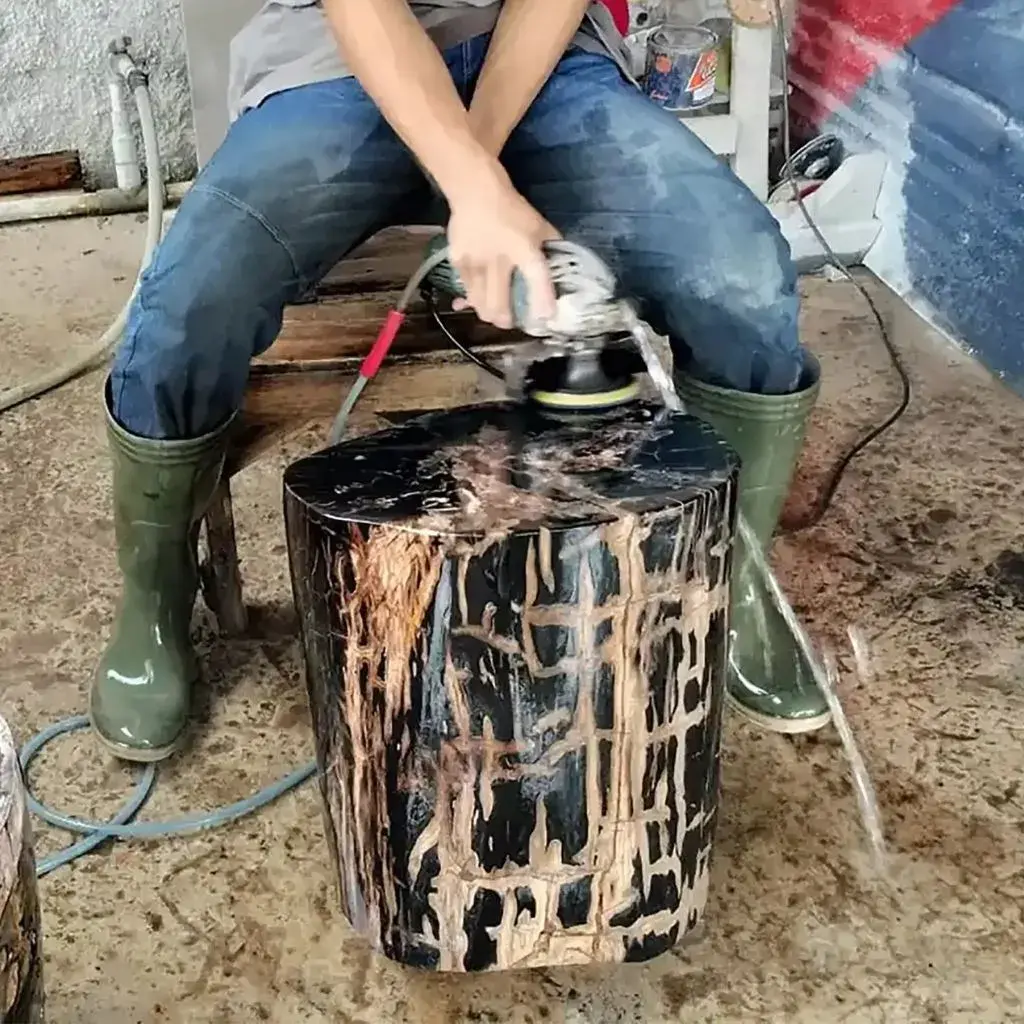
  • Mastery of Polishing: Polishing petrified wood furniture is a meticulous, multi-stage process that can only be done by skilled stone artisans. The polish must be even, reflective, and bring out the internal colors without creating distortions. A high-quality piece should feel perfectly smooth to the touch, with a deep, liquid-like luster that highlights the fossilized grain.

Read More: 5 Exquisite Villas in Seminyak Showcasing the Timeless Beauty of Petrified Wood Furniture

B. Structural Stability and Finish

petrified wood stool

For pieces meant for use, like sinks or benches, stability is paramount.

  • Crack Stabilization: Given the age and natural fissures of the stone, quality fabrication includes expert stabilization. Any natural cracks should be filled (often with a dark resin to celebrate the fissure) and sealed seamlessly, ensuring the structural integrity is maintained for decades of use.

  • The Seamless Edge: On wall art panels or tabletops, the edges should be expertly finished—whether softly rounded or crisply straight—to complement the natural interior patterns, providing a sophisticated transition between the rough, ancient texture and the modern installation.

3. Concept of Design Statement and Spatial Grounding

Petrified wood offers a unique aesthetic proposition: it provides organic warmth typically associated with wood, combined with the grounded strength of stone. This ability to transcend material categories is its ultimate concept of quality.

A. The Monolithic Presence

A high-quality piece of petrified wood furniture acts as a “grounding force” in a room. Its sheer mass and age provide a deep sense of permanence, balancing the often transient nature of modern design.

  • Unmatched Texture: The visible texture—the rings, the striations, the occasional mineral pockets—is singular. When featured as wall art (like your vertical panels) or a centerpiece, this texture becomes the primary focal point, dominating the wall and eliminating the need for complex, distracting decor.

  • Timelessness: Because the material has existed for millions of years, its style is inherently timeless. It blends seamlessly with minimalist modernism, rustic farmhouse style, or classic traditional design, guaranteeing its relevance regardless of future trends.

B. Investment in Nature

When you acquire a piece of Bali Petrified Wood, you are acquiring a piece of Earth’s history. The three concepts of mineralization, craftsmanship, and design impact guarantee that you are not buying a fading trend, but a durable, beautiful, and authentic artifact that connects your space directly to the planet’s powerful, geological past.

Are you ready to anchor your space with a piece of prehistoric history?

We invite you to explore the world’s most exquisite collection of petrified wood furniture. Whether you are a homeowner looking for a statement piece or a designer sourcing for a major project, Bali Petrified Wood provides world-wide shipping and bespoke services to meet your every need.

Visit their official gallery today at www.balipetrifiedwood.com and discover the timeless elegance of Petrified Wood Bali. Transform your interior with a masterpiece that has been 20 million years in the making.

Petrified Wood Furniture from Bali | Global Shipping

Petrified Wooden Stool for Interior: From Side Table into Perfectly Functional Stool

The Petrified Wooden Stool for Interior many of you are just looking at one function. But this stool has many purpose and multirole design for your interior. Over millions of years, organic wood undergoes a process called permineralization, where minerals like quartz and silica replace the cellular structure, turning ancient trees into solid stone.

Petrified Wooden Stool for Interior

Read More: What is Stool for Dining Room Interior: Here are 3 Functions

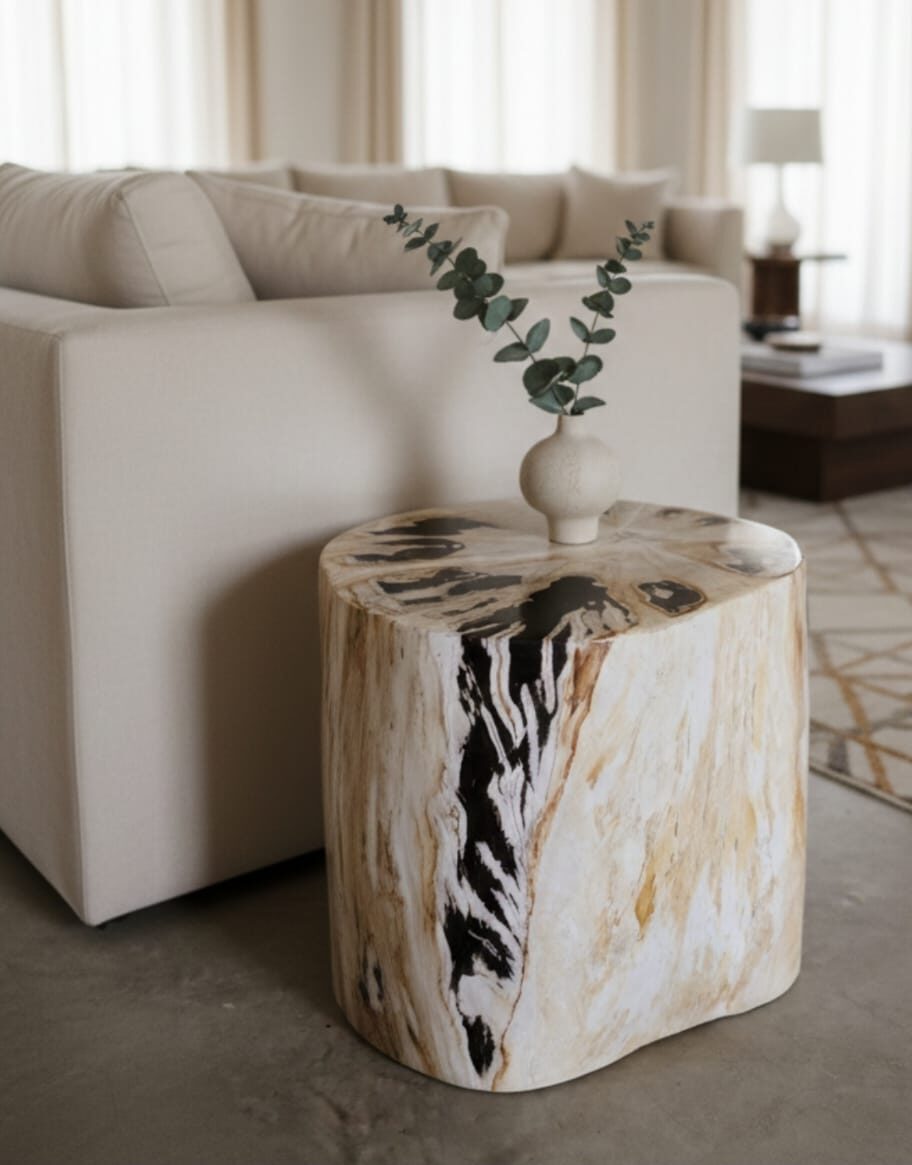
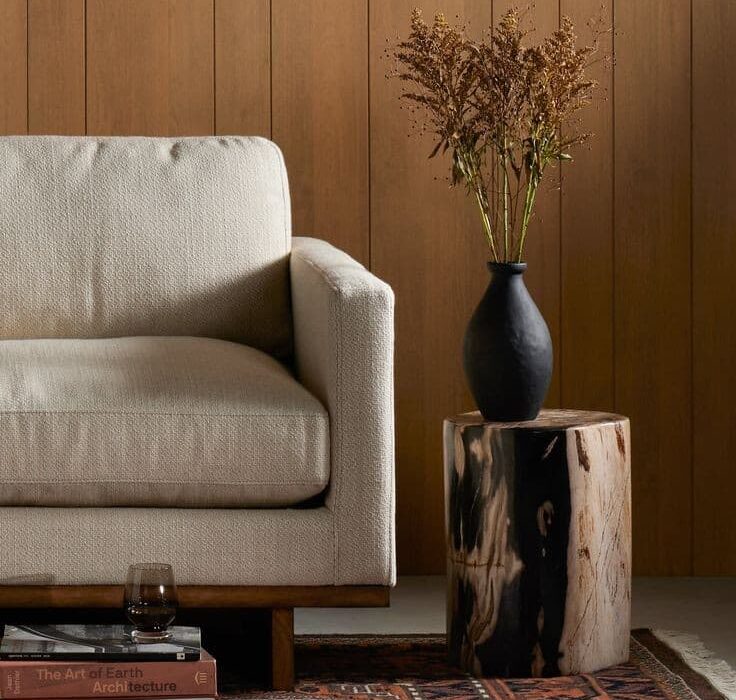
In the world of interior design, the petrified wood stool has often been pigeonholed as a mere decorative accent or a static side table. However, this ancient wonder is a powerhouse of versatility. It effortlessly transitions from a sculptural side table into a perfectly functional stool, offering a unique blend of prehistoric soul and modern utility.

Here are 5 advantages of integrating a petrified wood stool into your interior.

1. Unmatched Durability and Longevity

Unlike traditional hardwood furniture that can warp, scratch, or suffer from pest damage, petrified wood is essentially stone. On the Mohs scale of mineral hardness, petrified wood often ranks between 6.5 and 7—similar to quartz.

This makes it an ideal functional stool. It can withstand significant weight without the risk of structural failure. Whether you use it as a daily seat in a dressing room or a step stool to reach a high shelf, it is virtually indestructible. Investing in one means owning a piece of furniture that will literally last for generations without losing its luster.

2. Multi-Functional “Hybrid” Design

The beauty of the petrified wood stool lies in its multirole capabilities. Its flat, polished top provides the perfect surface for a variety of needs:

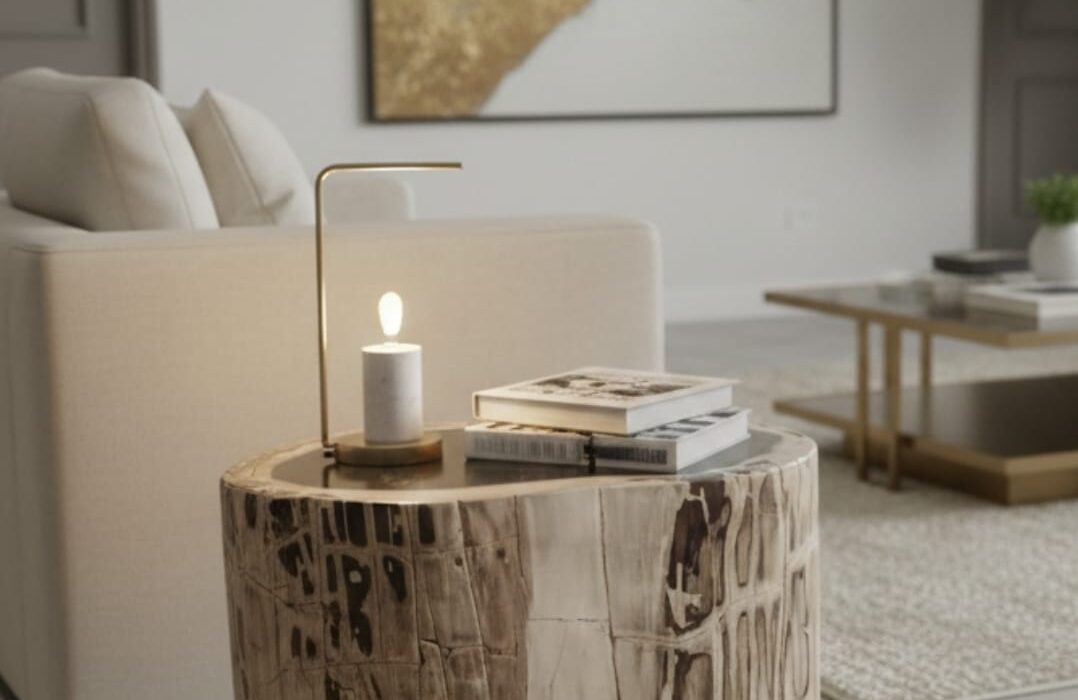
  • As a Side Table: It holds coffee books, cocktails, or lamps with steady grace.

  • As a Stool: Its weight ensures it won’t tip over, providing a solid, grounding seat for guests.

  • As Bathroom Decor: Because it is stone, it is naturally waterproof. It excels as a shower stool or a place to set towels in a high-humidity spa environment.

3. A Natural Masterpiece of Texture and Color

No two petrified wood stool are identical. Depending on the mineral content during the fossilization process, you might see swirls of iron reds, manganese blacks, or carbon blues.

When used as a stool in a minimalist or modern interior, it acts as a “living” organic element that breaks up the monotony of synthetic materials. The contrast between a polished, glass-like top and the raw, rugged exterior bark creates a tactile experience that invites people to touch and engage with the piece.

4. Space-Efficient Statement Piece

In modern urban living, furniture must earn its keep. A petrified wooden stool has a compact footprint but a massive visual impact. Because it doesn’t have legs or “negative space” underneath like a standard chair, it feels like a solid sculptural monolith.

It can be tucked away under a console table when not in use and pulled out as extra seating during a gathering. It provides the utility of a chair without the visual clutter of backrests and armrests, making your room feel more open and curated.

5. Sustainability and Eco-Consciousness

For the environmentally-minded decorator, petrified wood is an ethical choice. It is a naturally occurring fossil harvested from the earth, requiring no new trees to be felled and no toxic glues or resins to be manufactured. By choosing a petrified stool, you are repurposing a natural relic that has existed for epochs, bringing a sense of “slow design” into a world of fast furniture. However there are many things about sustainability not only for calmness of interior but also for eco-friendly nature.

1. Unmatched Durability and Longevity

Unlike traditional hardwood furniture that can warp, scratch, or suffer from pest damage, petrified wood is essentially stone. On the Mohs scale of mineral hardness, petrified wood often ranks between 6.5 and 7—similar to quartz.

This makes it an ideal functional stool. It can withstand significant weight without the risk of structural failure. Whether you use it as a daily seat in a dressing room or a step stool to reach a high shelf, it is virtually indestructible. Investing in one means owning a piece of furniture that will literally last for generations without losing its luster.

2. Multi-Functional “Hybrid” Design

Petrified Wood stool

The beauty of the petrified wooden stool lies in its multirole capabilities. Its flat, polished top provides the perfect surface for a variety of needs:

  • As a Side Table: It holds coffee books, cocktails, or lamps with steady grace.

  • As a Stool: Its weight ensures it won’t tip over, providing a solid, grounding seat for guests.

  • As Bathroom Decor: Because it is stone, it is naturally waterproof. It excels as a shower stool or a place to set towels in a high-humidity spa environment.

3. A Natural Masterpiece of Texture and Color

No two petrified wooden stools are identical. Depending on the mineral content during the fossilization process, you might see swirls of iron reds, manganese blacks, or carbon blues.

When used as a stool in a minimalist or modern interior, it acts as a “living” organic element that breaks up the monotony of synthetic materials. The contrast between a polished, glass-like top and the raw, rugged exterior bark creates a tactile experience that invites people to touch and engage with the piece.

4. Space-Efficient Statement Piece

In modern urban living, furniture must earn its keep. A petrified wooden stool has a compact footprint but a massive visual impact. Because it doesn’t have legs or “negative space” underneath like a standard chair, it feels like a solid sculptural monolith.

It can be tucked away under a console table when not in use and pulled out as extra seating during a gathering. It provides the utility of a chair without the visual clutter of backrests and armrests, making your room feel more open and curated.

5. Sustainability and Eco-Consciousness

For the environmentally-minded decorator, petrified wood is an ethical choice. It is a naturally occurring fossil harvested from the earth, requiring no new trees to be felled and no toxic glues or resins to be manufactured. By choosing a petrified stool, you are repurposing a natural relic that has existed for epochs, bringing a sense of “slow design” into a world of fast furniture.

Petrified Wood Furniture from Bali | Global Shipping

Petrified Wood Dining Table with Glass Top - NL 118 American Style Glass Table: Here are 3 Style for Your Interior Decoration

American Style Glass Table: Here are 3 Style for Your Interior Decoration

The American style glass table is a timeless piece of furniture that seamlessly blends function and form. It offers a unique visual lightness that can make a room feel more open, airy, and sophisticated. When combined with the American aesthetic which often favors comfort, classic lines, and a blend of modern and traditional elements the glass table becomes a versatile centerpiece suitable for almost any home. Far from being a relic of the 1980s, contemporary American style glass tables are sleek, durable, and highly adaptable to various design schemes.

Read More: What is Stool for Dining Room Interior: Here are 3 Functions

Choosing the right style of glass table is crucial, as it sets the tone for the entire room. Here, we explore three distinct American style glass table aesthetics—the Classic Traditional, the Mid-Century Modern, and the Industrial Loft—and discuss how you can incorporate each into your interior decoration to achieve a stunning, cohesive look.

1. The Classic Traditional Glass Table

The American Classic Traditional style is rooted in historical designs, often drawing inspiration from Colonial, Federal, or Chippendale eras, but rendered in a way that feels comfortable and current.

  • Design Characteristics: This style features a glass top (often round or oval) supported by a substantially decorative base. The base is typically crafted from rich, dark-stained wood like mahogany, cherry, or walnut. Look for bases with detailed carvings, turned legs, or a classic pedestal design. The combination of the heavy, ornate wood and the light, transparent glass creates a striking contrast that is inherently elegant.

  • Where to Use It: This style is perfect for a formal dining room or an elegant entryway as a console table. In the dining room, the clear top allows the intricate base—a true piece of craftsmanship—to be fully visible.

  • Decoration Tips: Pair the table with upholstered dining chairs featuring classic fabrics (like damask or linen) and nailhead trim. Use a crystal chandelier overhead to maximize light reflection through the glass. Keep the tablescape simple: a silver tray, a traditional floral arrangement, or a few antique books will complement the formality without cluttering the view. The overall effect should be one of refined grandeur.

2. The Mid-Century Modern (MCM) Glass Table

Mid-Century Modern design (popular in the U.S. from the mid-1940s to 1960s) is defined by clean lines, organic shapes, and a lack of excessive ornamentation. The American version emphasizes functionality and a relaxed, optimistic feel.

Shop Now! Visit Our Shop to get the best price!

  • Design Characteristics: MCM glass tables are all about minimalist form. They feature simple, geometric shapes—often rectangular or, famously, the kidney bean or boomerang shape for coffee tables. The glass is usually supported by thin, tapered legs made of light-toned wood (like teak or birch) or sleek metal (like polished brass or chrome). The key is the integration of the glass into the frame, making the structure look seamless and light. Iconic examples include tables with hairpin legs or an Eames elliptical top.

  • Where to Use It: The MCM glass table is ideal for the living room as a coffee or side table. Its low profile and transparent top ensure it doesn’t visually dominate the space, making it perfect for smaller or open-plan areas.

  • Decoration Tips: Surround the table with furniture that shares the MCM DNA, such as a low-slung sofa, an arc lamp, or a credenza. Use materials like leather, wool, and natural wood. Accessorize the table with a simple ceramic vase, a stack of design-focused coffee table books, or a small, colorful geometric sculpture. The clean lines of the glass top ensure that your curated accessories stand out.

3. The Industrial Loft Glass Table

The Industrial Loft style is characteristically American, born from the conversion of old factories and warehouses into residential spaces in major cities. It celebrates raw materials, exposed structure, and a utilitarian aesthetic.

  • Design Characteristics: This style is defined by a bold pairing of a glass top (often thick, tempered glass) with a heavy, distressed metal base. The base materials are typically unfinished or matte-black steel, wrought iron, or reclaimed metal piping. The structure often features visible rivets, welds, or a cage-like design, intentionally showcasing the construction process. The roughness of the metal base provides a masculine, grounded counterpoint to the lightness of the glass.

  • Where to Use It: This style is best suited for a home office desk or a casual kitchen/breakfast nook table. As a desk, the large, clear glass surface is inspiring and highly functional.

  • Decoration Tips: Pair the table with seating made of complementary materials, such as leather chairs with metal frames or wooden stools. Complementary materials in the room should include exposed brick, concrete floors, or barnwood wall accents. Decorate the glass top sparingly: a sleek task lamp, a functional metal pen holder, or a potted succulent are all you need. The Industrial Loft style thrives on purposeful simplicity, letting the contrasting textures of metal and glass be the main design feature.

Conclusion

The American style glass table, in any of its forms—the ornate Classic Traditional, the streamlined Mid-Century Modern, or the rugged Industrial Loft—is a highly effective interior design tool. It introduces a crucial element of light and space, ensuring that even substantial furniture doesn’t overwhelm a room. By selecting a base that aligns with your home’s overall aesthetic and decorating with intention, you can make the glass table a sophisticated and practical focal point in your interior design.

Petrified Wood Furniture from Bali | Global Shipping

What is Stool for Dining Room Interior: Here are 3 Functions Bali Petrified Wood

What is Stool for Dining Room Interior: Here are 3 Functions

In the realm of interior design, furniture pieces are often chosen for their primary role, such as a sofa for lounging or a bed for sleeping. However, some pieces offer a surprising degree of versatility, enabling them to serve multiple purposes within a space. The humble stool, traditionally associated with bars or kitchens, is one such item that has made a sophisticated leap into the stool for dining room interior, transforming a conventional eating area into a dynamic and multi-functional space.

More than just an alternative to a traditional dining chair, a well-chosen stool can significantly enhance the functionality, aesthetic, and social dynamics of your dining area. Whether your home features a dedicated dining room, a casual breakfast nook, or an open-concept space that flows into the kitchen, incorporating stools offers practical solutions and stylish flair.

One standout option is the use of Bali petrified wood stools, which combine natural history with modern interior design. Often styled as a set of three text stool for dining room interior, Bali petrified wood pieces bring a sculptural, organic element into the space. Sourced from Bali, each stool is formed over millions of years, making every piece unique in pattern, tone, and texture.

Understanding their unique attributes typically a lack of a backrest or arms, and a more compact design is the key to unlocking their full potential while adding a rare and timeless statement to your dining area.

1. The Primary Function: Versatile and Space-Saving Seating

The most immediate and essential function of a stool for dining room interior is to provide seating. However, stools excel where traditional chairs sometimes fail, particularly in modern homes where space efficiency is paramount.

A. Flexibility in Small Spaces

In smaller dining areas, or homes utilizing a kitchen counter or island as the main dining surface, stools are an unparalleled choice. Unlike bulky dining chairs, many stools—especially the backless variety—can be tucked completely underneath the table or counter when not in use. This simple action instantly frees up valuable floor space, making the room feel larger, less cluttered, and easier to navigate. This characteristic is particularly beneficial in open-concept layouts where maintaining a clear sightline and flow between the kitchen and living area is desirable.

Read More: Dining Room Transformation: 3 Popular Design Styles

B. Adaptability to Different Surface Heights

The evolution of dining spaces has introduced multiple eating surface heights, from standard dining tables to counter-height islands and even tall bar-height surfaces. Stool for dining room interior is designed to accommodate this variety.

  • Standard Dining Stools: Shorter stools (often around 18-20 inches high) can perfectly complement a standard dining table, providing a minimalist or casual seating option.

  • Counter and Bar Stools: These are the most common application, offering the necessary elevation for comfortable seating at kitchen islands or high-top dining tables. Many modern bar stools with petrified wood also feature adjustable height mechanisms, allowing a single piece to adapt to different surfaces or the comfort preferences of various users. This adjustability maximizes their utility across various settings within the home.

The flexibility of a stool ensures that every dining setup, no matter how unconventional, has a comfortable and stylish seating solution.

2. The Secondary Function: Aesthetic Layering and Design Accent

Beyond mere utility, stools are powerful tools for interior designers to introduce texture, color, and sculptural elements, significantly contributing to the aesthetic layering and design accent of the dining room.

A. Stool as Introducing Texture and Material Contrast

The compact nature of a stool for dining room interior allows it to serve as a focused piece of design, often used to contrast or complement the larger furniture. A wooden dining table, for instance, can be instantly modernized and softened by pairing it with upholstered stools in velvet or linen. Conversely, an industrial-style metal stool can inject a sharp, contemporary edge into a traditionally styled room.

  • Material Variety: Stools come in a dizzying array of materials from rustic woven rattan, petrified wood , onyx and natural wood to sleek polished chrome and vibrant, durable plastics. This variety makes it easy to find a piece that ties into an existing decor scheme or, alternatively, to use the stool as a bold pop of color or a strong textural element to break up monotony.

B. Stool as Enhancing Visual Flow and Openness

Visually, stools can dramatically influence the perceived spaciousness of a dining area. Backless or low-back stools maintain a lower profile than traditional chairs. This absence of a tall visual barrier is crucial in defining the room’s overall aesthetic. By keeping the sightline low, they contribute to an open and airy atmosphere, which is highly valued in contemporary design. They become an integrated part of the furniture arrangement without dominating the view of the dining table centerpiece or the decorative elements of the surrounding kitchen or living area.

Shop Now: Black Petrified Dining Table

3. The Tertiary Function: Facilitating Casual and Social Interaction

The design and typical placement of stools foster a different kind of social environment than traditional dining chairs, making them excellent pieces for facilitating casual and social interaction.

A. Stool for Creating a Social Hub

In open-plan living, the kitchen island or breakfast bar often becomes the primary gathering spot during parties or family time. Stool for dining room interior positioned at these counters instantly transform the area into an informal social hub. The slightly elevated height of bar or counter stools facilitates eye-level conversations between seated guests and those standing or preparing food, creating an inclusive atmosphere. This setup encourages guests to mingle, snack, and chat casually before, during, or after a meal, blurring the lines between the cooking and dining spaces.

B. Stool as Auxiliary and Temporary Seating

The lightweight and portable nature of many stools makes them the perfect choice for auxiliary seating. When unexpected guests arrive, a stool can be easily moved from a corner, kitchen island, or even another room to the dining table to accommodate an extra person. Furthermore, for children or quick, informal meals, a stool offers a practical and less formal alternative to pulling up a full dining chair. This ease of mobility ensures that your dining space remains adaptable to fluctuating social needs, reinforcing its role as a flexible centerpiece of the home.

The stool for dining room interior is far from an afterthought; it is a meticulously chosen piece of furniture that offers a trifecta of benefits. It functions as versatile and space-saving seating, providing solutions for various table heights and maximizing floor space. It serves as an aesthetic design accent, allowing for sophisticated layering, material contrast, and the creation of an open visual flow. Finally, it excels at facilitating casual and social interaction, turning your dining or counter area into an inviting and flexible social hub. By recognizing these three core functions, you can leverage the strategic placement of stools to create a dining interior that is not only beautiful but also supremely functional and ready for any occasion.

Petrified Wood Furniture from Bali | Global Shipping

Black Rounded Table for Dinner Interior Bali petrified wood furniture for luxury interior design

Black Rounded Table for Dinner Interior: 3 Interior Style

The dining room is the heart of social and family interaction, where meaningful moments are shared over meals. Incorporating a Black Rounded Table for Dinner Interior adds a bold yet elegant focal point, enhancing both style and comfort. This design choice can transform the space into a reflection of your personality. For a unique touch, consider using original black petrified wood in Indonesia especially from Bali Petrified Wood offering natural beauty, durability, and a distinctive aesthetic you won’t find elsewhere.

Here are three of the most popular dining room design styles that can inspire your room’s redecoration:

Read More: Unpacking 3 Differences Between Onyx and Petrified Wood

1. Scandinavian Minimalism

The Scandinavian style focuses on functionality, simplicity, and natural light. Its philosophy is to create a calm, tidy, and soothing space.

  • Color Palette: Dominated by neutral and bright colors such as white, light gray, and cream.

  • Key Materials: Light wood (such as pine or birch), natural textiles (linen, cotton), and clean lines without excessive ornamentation.

  • Accessories: Minimal. Focus on green plants in simple ceramic pots, and soft lighting, often using geometric pendant lamps. Chairs typically have an ergonomic design with slender wooden legs.

2. Contemporary Industrial Dining Room Style

This style celebrates rawness, unfinished textures, and the aesthetic of old factories. It is a bold style that often conveys a masculine and urban impression.

  • Color Palette: Dark and moody—black, charcoal gray, dark brown, with metal accents like copper or bronze.

  • Key Materials: Concrete, exposed brick, metal (wrought iron or steel), and thick, rough-textured reclaimed wood.

  • Accessories: Large hanging lights (Edison lighting), exposed pipes or ducts, open steel shelving, and large abstract artworks. Tables often feature thick wooden tops with sturdy black metal legs.

3. Mid-Century Modern Dining Room Style

Popularized in the mid-20th century, this style is beloved for its combination of organic shapes, clean lines, and the use of bold colors. This style offers a retro yet timelessly chic vibe. Choosing an original black petrified wood in Indonesia adds an exclusive and natural character, especially when sourced from Bali, making your Black Rounded Table for Dinner Interior not just furniture, but a statement piece.

  • Color Palette: A mix of neutrals (white, walnut wood) with saturated accent colors (mustard, teal, orange, olive green).

  • Key Materials: Dark wood (walnut or teak), plastic or fiberglass for chairs (like Eames chairs), and textured fabric upholstery.

  • Accessories: Sputnik chandeliers, organically shaped ceramic vases, and furniture with tapered legs. Functionality is paired with artistic form.

The Final Touch to Perfect Your Space

Regardless of whether you are drawn to the serenity of Scandinavian design, the ruggedness of Industrial, or the warmth of Mid-Century Modern, the dining table always remains the central focal point of the room. To unify these styles with a strong and elegant statement, a Black Rounded Table for Dinner Interior is an ideal choice.

The rounded shape encourages more intimate interaction while eliminating sharp corners, making it suitable for both Scandinavian and Mid-Century aesthetics. Meanwhile, the deep black tone adds a sense of luxury and contrast that fits perfectly within Industrial spaces. Choosing an original black petrified wood in Indonesia, especially sourced from Bali, elevates this concept even further combining natural history, durability, and one-of-a-kind texture.

A Black Rounded Table for Dinner Interior crafted from premium materials such as black petrified wood or marble not only enhances functionality but also introduces a refined, contemporary look. Petrified wood furniture from Bali is especially valued for its uniqueness, ensuring that every piece becomes a timeless centerpiece in your dining room.

Petrified Wood Furniture from Bali | Global Shipping

Stone, Yet Wood: The Ergonomic and Exclusive Touch of Petrified Wood in Your Design

Stone, Yet Wood: The Ergonomic and Exclusive Touch of Petrified Wood in Your Design


Petrified Wood is the result of millions of years of fossilization, where the organic material of the wood has been entirely replaced by minerals. This process leaves it as hard and heavy as stone, yet it miraculously retains the intricate details of the original wood grain making it one of the most unique materials used in petrified wood furniture today.

More than just a building material, Petrified Wood is a piece of geological history offering unique beauty, exceptional durability, and most importantly, high ergonomic and aesthetic value. It is widely used in natural stone furniture and unique stone furniture, enhancing both interior and exterior design for homes, cafes, and hotels with a luxurious and timeless appeal.

The Superiority of Petrified Wood from an Ergonomic and Aesthetic Perspective

In a design context, ergonomics is not just about physical comfort, but also psychological well-being how an object interacts with the user and the environment. This is why Petrified Wood plays an important role in ergonomic furniture design, combining durability with sensory and visual comfort.

1. Maximum Durability (Functional Ergonomics)

As a material that has been transformed into quartz (silica), Petrified Wood boasts strength comparable to natural stone or marble, making it a premium choice in natural stone furniture.

Longevity: The material is virtually immune to weather, scratches, or exposure to liquids. This minimizes the need for cumbersome maintenance and replacement an essential factor in ergonomic furniture design for both commercial and residential spaces.

Easy Maintenance: The polished surface only requires routine cleaning, making it a highly practical choice for high-traffic areas like cafes or hotel lobbies.

2. Unique “Organic-Mineral” Aesthetics

Every piece of Petrified Wood is one-of-a-kind. The mineralization process yields distinctive wood ring patterns now decorated with a rich spectrum of colors such as brown, cream, rust-red, gray, and even blue and violet depending on the infiltrating minerals (iron, manganese, copper). This uniqueness is what makes it highly desirable in unique stone furniture collections.

Focal Point: Its natural beauty makes Petrified Wood an instant focal point in any room, lending a luxurious, timeless, and authentic atmosphere.

Nature Connection (Biophilic Interior Design): Integrating this million-year-old fossil into a space is an excellent way to implement biophilic interior design, which connects humans with nature. This approach enhances psychological well-being, reduces stress, and creates a calming environmentan important dimension of modern ergonomic furniture design.

Applications of Petrified Wood in Interior & Exterior Design

Petrified Wood can be processed into various forms, from being left raw and natural (as a decorative element) to being perfectly cut and polished (as functional furniture).

Interior Design for Homes, Cafes, and Hotels

A. Table Slabs

Ergonomic Concept: A supremely dense and stable tabletop surface.

  • Dining/Coffee Tables: Large cuts of Petrified Wood are often used as slabs for petrified wood dining table, petrified wood coffee table, or console tables. The smoothly polished surface is comfortable to the touch and easy to clean. The circular cut (from the cross-section of a tree trunk) provides a calming natural aesthetic.
  • Photo Caption: Petrified Wood Dinning Table – A Centerpiece of Aesthetics and Durability.
5 Reasons Why Petrified Wood Bali is the Gold Standard for Modern Villa Interiors
  • Photo Caption: Petrified Wood Coffee Table – A Centerpiece of Aesthetics and Durability.

B. Vessel Sinks

Ergonomic Concept: Bringing soothing natural texture to a functional area.

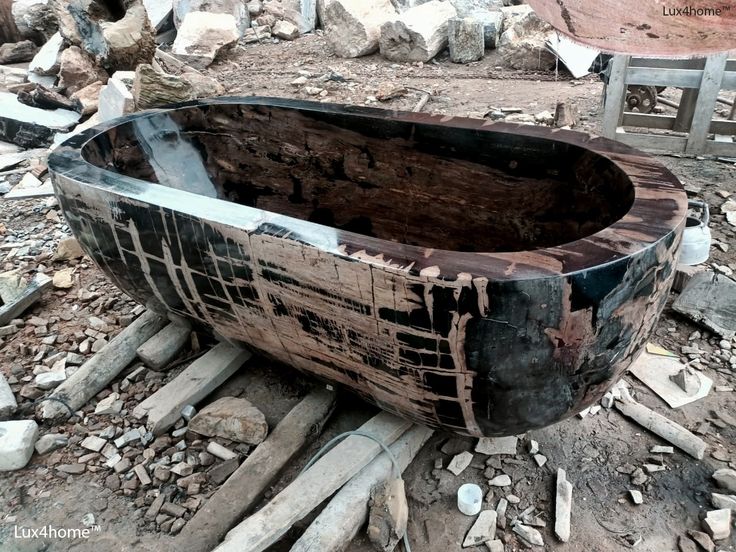
  • Bathrooms/Guest Toilets: Using a piece of Petrified Wood carved into a bowl-shaped vessel sink. The interior is typically polished, while the exterior sides are left rough (natural bark) for a dramatic textural contrast.
  • Photo Caption: Petrified Wood Sink – A Blend of Natural Luxury in the Bathroom.
  • Ergonomic Note: The contrast of rough and smooth textures offers a rich tactile experience (sensory comfort). The material is water-resistant and non-porous once polished, making it highly hygienic.

C. Tiles and Wall Cladding

Ergonomic Concept: Thermal absorption and a calming visual effect.

  • Accent Walls: Thin slices of Petrified Wood can be used as tiles or cladding for accent walls behind a fireplace or in a hotel lobby. The visual effect of the repeating patterns creates depth and a unique geological nuance.
  • Photo Caption: Petrified Wood Wall Cladding – An Accent of Textural History in a Commercial Space.
  • Ergonomic Note: Creates a calming and luxurious aesthetic, while the stone’s density also provides minor thermal insulation.

Exterior Design (Gardens and Terraces)

D. Stools and Side Tables

Ergonomic Concept: Weather-resistant outdoor furniture crafted from Indonesian petrified wood, known for its exceptional strength and natural beauty.

Terraces and Gardens: Pieces of petrified tree trunks, cut and polished on the top surface while maintaining their natural organic form on the sides, are perfect as stools or side tables in outdoor areas. These designs are highly sought after in the global market, especially in petrified wood furniture Bali export, where craftsmanship meets timeless material.

Petrified Wood Stool

Photo Caption: Petrified Wood Stool on the Patio – Weather-Resistant, Always Classy.

Ergonomic Note: Provides stable and heavy seating (won’t shift easily) and offers absolute resistance to external weather conditions (heat, rain, humidity), making it ideal for long-term outdoor use.

Petrified Wood is an exceptional material choice for those seeking the perfect balance between functional durability (ergonomics) and authentic, luxurious aesthetics. As part of the premium petrified wood furniture Bali export industry, this material represents both natural heritage and high-end craftsmanship from Indonesia.

Every user will have a unique experience; the soft touch of the polished surface contrasts beautifully with the material’s age and inherent roughness. With Indonesian petrified wood, you are not just acquiring furniture or decor, but also bringing a piece of nature’s artwork millions of years in the making into your space, enriching it with both story and stability.

Petrified Wood Furniture from Bali | Global Shipping

5 Essential Tips for Proper Petrified Wood Furniture Care

5 Essential Tips for Proper Petrified Wood Furniture Care

Here are  5 tips for Petrified Wood Furniture Care. Petrified wood is a remarkable material. it’s essentially millions-year-old wood that has fully mineralized into stone (often agate or quartz). While incredibly durable and a stunning feature in any home.

Especially within the natural aesthetic of Scandinavian design, it still requires basic care to maintain its polished look and longevity.

Here are five essential tips for properly caring for your petrified wood furniture, ensuring its ancient beauty remains timeless.

1. Gentle & Regular Dusting

Petrified wood, particularly highly polished tabletops and surfaces, can show dust and fine scratches easily. As part of proper Petrified Wood Furniture Care, use a soft, dry microfiber cloth for daily or weekly dusting. Avoid rough rags or abrasive sponges, as these can gradually dull the high-gloss finish over time. Regular gentle dusting prevents fine particles from accumulating and scratching the surface.

2. Use Mild Soap and Water for Cleaning
For cleaning spills or sticky marks, always opt for the mildest solution possible. In maintaining good Petrified Wood Furniture Care, dampen a clean, soft cloth with warm water and a few drops of pH-neutral dish soap or stone cleaner. Wipe the area, then immediately dry it with a separate clean cloth. Avoid acid-based cleaners like vinegar or ammonia, as they can damage the stone’s surface.

3. Protect Against Scratches and Impacts
Although petrified wood is durable, it can still be scratched or chipped by heavy impact. A key part of Petrified Wood Furniture Care is using coasters under drinks and trivets under hot items. Add felt pads under furniture legs to prevent floor scratches, and place heavy pieces on stable, level surfaces away from high-traffic areas.

4. Maintain Long-Term Beauty
To preserve its natural elegance, avoid prolonged exposure to direct sunlight and extreme humidity changes. Consistent Petrified Wood Furniture Care also includes occasionally applying a stone-safe polish to enhance its shine, ensuring your furniture remains a timeless and luxurious centerpiece for years to come.

Read More: Timeless Fossil: 5 Benefit of Petrified Wood for Scandinavian Architecture

4. Seal the Surface Periodically (Optional but Recommended)

A sealant acts as an invisible barrier, protecting the stone from stains, especially if the piece is a countertop or basin.

  • The Method: Consult with a stone care professional or use a quality natural stone sealer (penetrating or impregnating sealer) every 1–3 years, depending on the piece’s exposure and use.

  • Benefit: This step is crucial for pieces exposed to water (sinks) or food (dining tables) as it minimizes the stone’s porosity, making spills less likely to penetrate and stain.

5. Keep Out of Direct, Intense Sunlight

While the stone itself won’t fade like wood, prolonged exposure to intense, direct sunlight can affect the epoxy resins sometimes used to fill natural fissures and stabilize the piece.

  • The Method: If possible, position your petrified wood furniture in a spot that receives bright, indirect light.

  • Moisture Control: Maintain a relatively stable temperature and humidity level. Extreme, rapid temperature fluctuations can sometimes put stress on the stone, particularly pieces with deep natural cracks.

By following these simple care guidelines, your Bali Petrified Wood furniture will continue to be a stunning, low-maintenance testament to the beauty of geological history in your home.

Petrified Wood Furniture from Bali | Global Shipping

5 Benefit of Indonesian Petrified Wood for Scandinavian Architecture

5 Benefit of Indonesian Petrified Wood for Scandinavian Architecture

Scandinavian architecture is rooted in simplicity, functionality, and a deep connection to nature. Originating from Nordic countries like Denmark, Sweden, and Norway, this design philosophy embraces clean lines, neutral palettes, and natural materials to create calm, livable spaces that respond to harsh climates while maximizing light and comfort.

At its core, Scandinavian design has always celebrated wood—but today, there’s a material that takes this concept to a whole new level: Indonesian Petrified Wood.

https://images.openai.com/static-rsc-4/wRwtdG1bpeM2N84aCTtVHgn3WSEAO5Ct4zr--erMW2kHz_ZLb6SjA7pxPFt8gB4_KesCHxlywxY9f7u3hOF7txszNUlqGqOlEyPUCMAERpOL1CG3BWQXKkWRsLd7UbvgjSRS-35S0vT4_EsILM-NWdpzEaLVBkEpVVxPb3oBK6yyIYuUkoflrtGkOTxxhaGk?purpose=fullsize

Unlike conventional timber, Petrified Wood is formed over millions of years through a natural fossilization process, where organic wood transforms into stone most commonly quartz while preserving its original grain and structure. The result is a material that visually feels warm and organic, yet is incredibly strong, timeless, and unique.

When sourced from Indonesia and refined by Balinese artisans, petrified wood becomes more than just a design element—it becomes a story embedded in space.

Read More: Stone, Yet Wood: The Ergonomic and Exclusive Touch of Petrified Wood in Your Design

5 Superiorities of Bali Petrified Wood in Scandinavian Building Design

Scandinavian (Nordic) style focuses on minimalism, functionality, clean lines, and, crucially, the creation of Hygge (coziness and well-being) through a deep connection to nature and light. Petrified Wood is the perfect material to achieve this refined balance.

Read More: 5 Best Furniture in Bali Loved by Interior Designers With Global Shipping

1. Authentic Organic-Mineral Texture

https://images.openai.com/static-rsc-4/quo5LKYCETvex_3zUDfSIIKzGWauMSx9oGobMfN8iIXQu17S4IRF0ikBtu4F7JJbUPbnFKQFgHJlZWdQBKITwm4MzywQeIGjSqaEUuHrcd56PNNeb_Dk_zwzW0fCT9N2d22sXBaCRHoKi0gIAEm9bRg8lfsR7HKB7X-j8_mAA1XpY1Vvr1FBIGd-P0lMdMEo?purpose=fullsize

Petrified Wood retains the visual warmth of wood grain but possesses the cool, solid nature of stone. This contrast creates a calming, organic focal point that harmonizes with the Scandinavian principle of prioritizing natural elements.

2. Rich, Earthy, and Neutral Color Palette

Mineralization often yields rich neutral colors such as creamy whites, light grays, deep browns, and rust-red. This palette seamlessly complements the dominant whites, grays, and pastels of Scandinavian design, providing depth without compromising minimalism.

Wanna See More About Our Works? Visit Our Exhibition Page Here

3. Creates a Unique, Timeless Focal Point

Because every piece of Petrified Wood is one-of-a-kind, a table or sink made from it becomes an instant artistic centerpiece. This allows a minimalist Scandinavian room to maintain a strong, sophisticated, and timeless character.

4. Excellent Biophilic Design Element

Integrating this million-year-old fossil is a profound form of biophilic design, connecting the inhabitants to deep natural history. This connection is proven to enhance psychological well-being and calmness. A powerful form of psychological ergonomics that contributes to Hygge.

5. Rich Tactile Experience (Sensory Comfort)

The smoothly polished surface on the top, combined with the sides often left rough (like natural bark), offers a rich, soothing tactile experience. This contrast is a vital sensory comfort and ergonomic aspect in high-quality design.

Petrified Wood is an exceptional material choice that uniquely bridges the organic warmth of wood and the extreme durability of stone. For Scandinavian design, it offers a rare blend of deep, unique aesthetics and long-lasting functionality. Creating a space that is not only minimalist and beautiful but also highly ergonomic, sustainable, and rich in natural connection.

With Bali Petrified Wood, you are not simply acquiring furniture or decor; you are acquiring a piece of nature’s artwork, millions of years in the making, which will enrich your space with both story and enduring stability.

We highly recommend exploring the curated gallery at Bali Petrified Wood. Discover why Petrified Furniture is the most coveted choice for luxury interiors across the globe. Visit their website to find the perfect piece that resonates with your style and budget.

Visit Bali Petrified Wood today and bring a piece of Earth’s ancient history into your modern life.

Petrified Wood Furniture from Bali | Global Shipping

Add to cart