
Bali Petrified Wood / Buying Guide
Indonesia Petrified Wood:
History, Origins, and Buying Guide
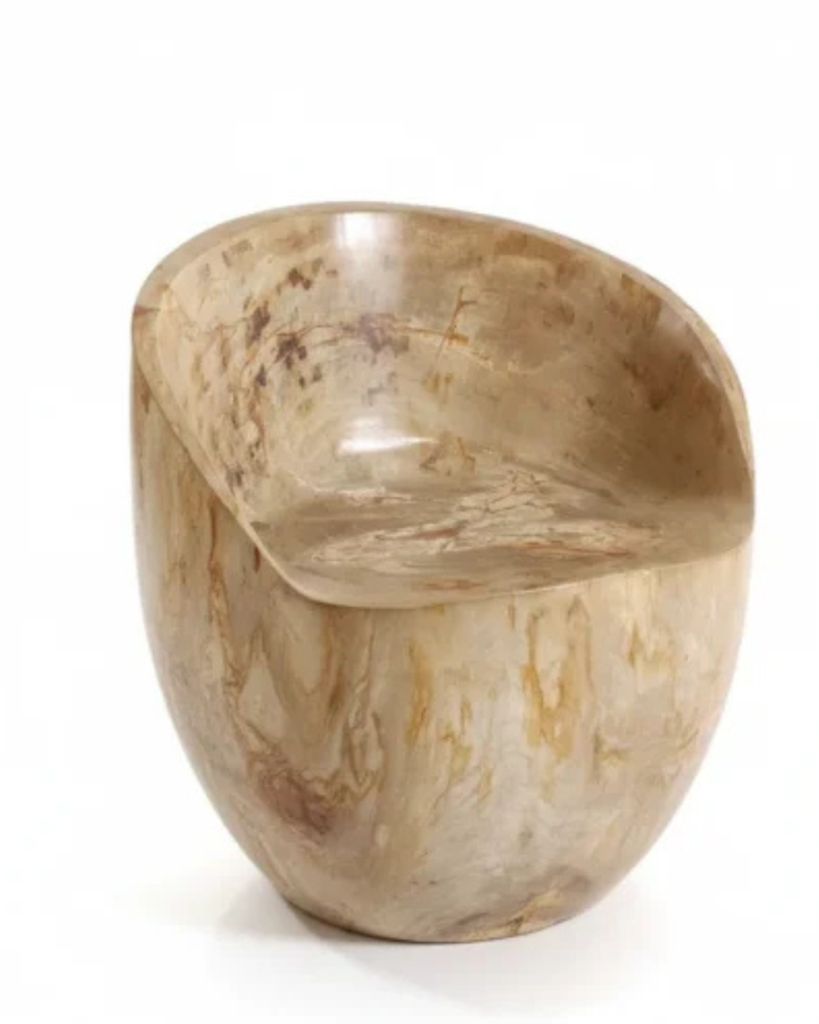
Indonesia has many volcanos spread from west to east, north to south, on each biggest island. Those volcanos, the flood, and landslide help to bury ancient wood. In millions of years, the wood slowly turned into something closer to quartz. That's how Indonesia petrified wood was created.
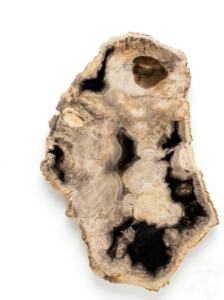
Indonesia Petrified Wood
A handful of fossil-rich regions are mainly responsible for supplying furniture-grade material: Sumatra and Java, particularly around Jambi. As a result of the same volcanic history, petrification is also possible in these areas.
Is Your Petrified Wood Real or Fake?
Bali Petrified Wood has been in the petrified wood Indonesia industry for more than a decade. Yet, there are still fake products out there. So here's the tips from us.
The Scratch
Petrified wood is mineral, not wood, so it will resist a scratch from metal, glass, or even a blade. If it scratches easily, maybe it's not petrified.
The Weight
A real petrified wood will feel much heavier if you compare it with another similar size. So, pick it up before you buy it.
The Grain
Wood has natural structure that leaves permanently, while a petrified process can't erase this. This is the key to finding the real one. Notice the growth rings, grain patterns, or the bark textures that may appear on the exterior.
The Color and Mineral Patterns
Natural color of petrified wood created by iron oxide (red, yellow, oranges), manganese (purples and blue), carbon (black and dark tones), and other elements. If you find wood with blotchy or the color sitting only on the surface, you should be aware.
Ask the Seller
Calcite (calcite) and quartz (quartz) differ in hardness and appearance depending on their calcification status. A seller who cannot answer that question at all is a warning sign.
Petrified Wood Indonesia Short Buying Guide
We collect the question for you to inspect before spending on the fake piece.
Where was this piece sourced, and is there documentation?
A reputable supplier can usually name the region and show some form of sourcing record.
What's the estimated age?
It won't be exact, but a supplier working with geologists or experienced cutters should have a reasonable range.
How was it graded?
Density, color rarity, and crack tolerance all affect both price and durability.
Does the price make sense?
Rarer colors and larger, uncracked pieces cost more for a reason. A price that seems too low for the size can be a sign of a treated fake.
What happens if it's damaged in shipping?
Ask directly about insurance coverage before you commit to an international order.
Trusted by Bali's Finest
Our work has been chosen by leading hospitality brands and designers across Bali, including The Apurva Kempinski Bali, Katamaran Resort, Eliana Resort & Spa, and Escape Haven.






FAQs
How old is petrified wood from Indonesia?
Commercially available pieces date back to the Oligocene and Miocene epochs, 20 to 40 million years old.
Is petrified wood the same thing as amber?
No. Essentially, amber is hardened sap fossilized from tree resin. Petrified wood is an entire tree trunk that has been replaced by minerals. They form through completely different processes and don't share a chemical structure.
How can I tell if petrified wood is real before I buy it?
Check the weight, try a light scratch test with something you don't mind marking, and look closely at the grain and coloring. In addition, a seller who can answer questions about sourcing and mineral content is a good sign.
Does color affect the value of petrified wood?
Generally, yes. Reds, browns, and yellows from iron oxide are the most common colors. Blues and greens, tied to rarer minerals like copper or chromium, tend to be harder to find and often carry a higher price.
Is it legal to buy and export petrified wood Indonesia?
Yes, when it's sourced through a licensed operation. In spite of the fact that it's classified as fossilized mineral material rather than timber, responsible suppliers still document their extraction and export processes.
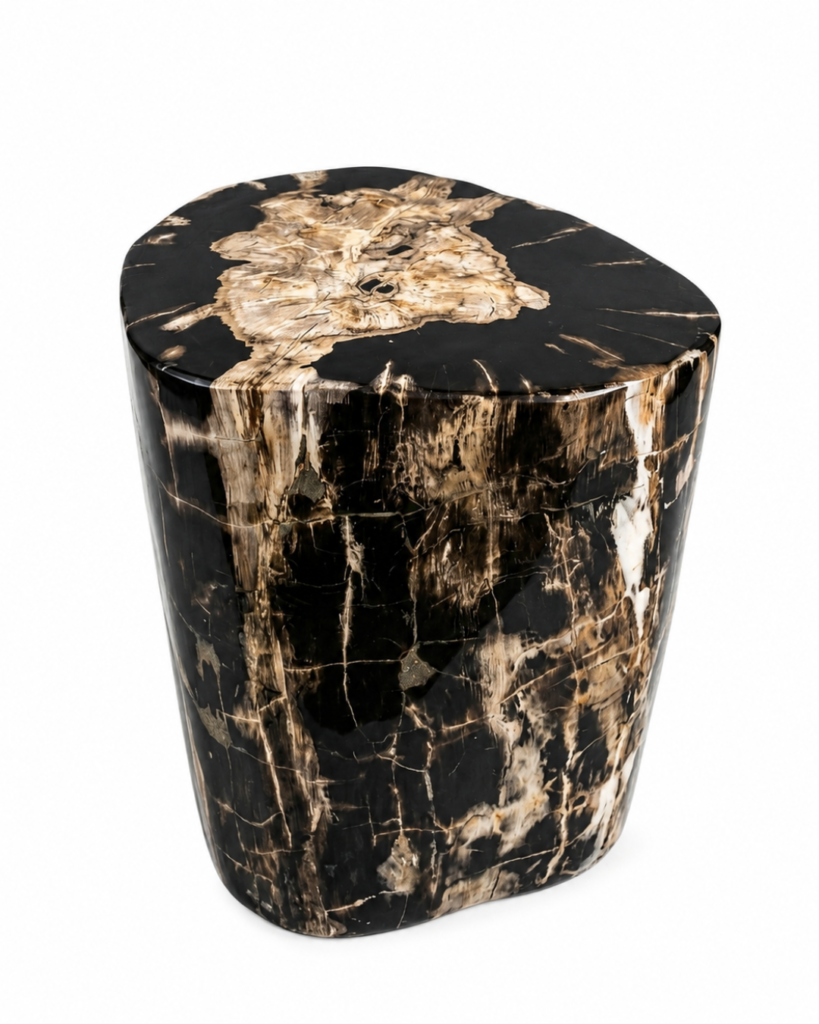
Bali Petrified Wood
We offer a genuine petrified wood collection special for you. We're happy to bring you a piece of Indonesia petrified wood directly to your house. Reach us through email balipetrifiedwood@gmail.com or Whatsapp line at +62 819-9995-1939. Feel free to check our website balipetrifiedwood.com.