In the realm of interior design, furniture pieces are often chosen for their primary role, such as a sofa for lounging or a bed for sleeping. However, some pieces offer a surprising degree of versatility, enabling them to serve multiple purposes within a space. The humble stool, traditionally associated with bars or kitchens, is one such item that has made a sophisticated leap into the stool for dining room interior, transforming a conventional eating area into a dynamic and multi-functional space.
More than just an alternative to a traditional dining chair, a well-chosen stool can significantly enhance the functionality, aesthetic, and social dynamics of your dining area. Whether your home features a dedicated dining room, a casual breakfast nook, or an open-concept space that flows into the kitchen, incorporating stools offers practical solutions and stylish flair.
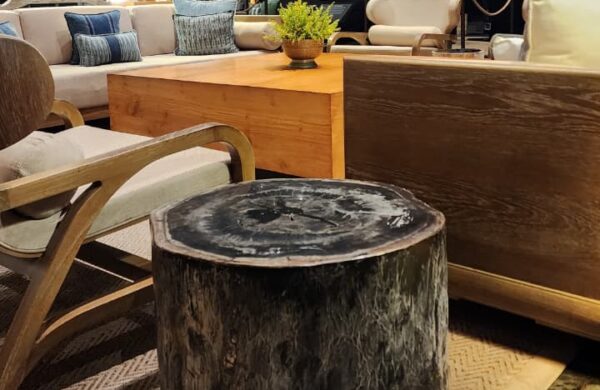
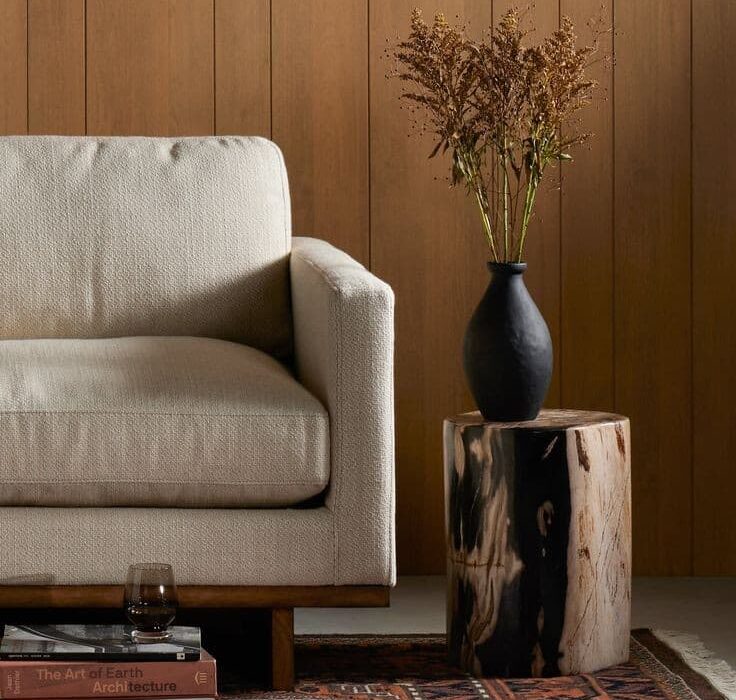
One standout option is the use of Bali petrified wood stools, which combine natural history with modern interior design. Often styled as a set of three text stool for dining room interior, Bali petrified wood pieces bring a sculptural, organic element into the space. Sourced from Bali, each stool is formed over millions of years, making every piece unique in pattern, tone, and texture.
Understanding their unique attributes typically a lack of a backrest or arms, and a more compact design is the key to unlocking their full potential while adding a rare and timeless statement to your dining area.
1. The Primary Function: Versatile and Space-Saving Seating
The most immediate and essential function of a stool for dining room interior is to provide seating. However, stools excel where traditional chairs sometimes fail, particularly in modern homes where space efficiency is paramount.
A. Flexibility in Small Spaces
In smaller dining areas, or homes utilizing a kitchen counter or island as the main dining surface, stools are an unparalleled choice. Unlike bulky dining chairs, many stools—especially the backless variety—can be tucked completely underneath the table or counter when not in use. This simple action instantly frees up valuable floor space, making the room feel larger, less cluttered, and easier to navigate. This characteristic is particularly beneficial in open-concept layouts where maintaining a clear sightline and flow between the kitchen and living area is desirable.
Read More: Dining Room Transformation: 3 Popular Design Styles
B. Adaptability to Different Surface Heights
The evolution of dining spaces has introduced multiple eating surface heights, from standard dining tables to counter-height islands and even tall bar-height surfaces. Stool for dining room interior is designed to accommodate this variety.
-
Standard Dining Stools: Shorter stools (often around 18-20 inches high) can perfectly complement a standard dining table, providing a minimalist or casual seating option.
-
Counter and Bar Stools: These are the most common application, offering the necessary elevation for comfortable seating at kitchen islands or high-top dining tables. Many modern bar stools with petrified wood also feature adjustable height mechanisms, allowing a single piece to adapt to different surfaces or the comfort preferences of various users. This adjustability maximizes their utility across various settings within the home.
The flexibility of a stool ensures that every dining setup, no matter how unconventional, has a comfortable and stylish seating solution.
2. The Secondary Function: Aesthetic Layering and Design Accent
Beyond mere utility, stools are powerful tools for interior designers to introduce texture, color, and sculptural elements, significantly contributing to the aesthetic layering and design accent of the dining room.
A. Stool as Introducing Texture and Material Contrast
The compact nature of a stool for dining room interior allows it to serve as a focused piece of design, often used to contrast or complement the larger furniture. A wooden dining table, for instance, can be instantly modernized and softened by pairing it with upholstered stools in velvet or linen. Conversely, an industrial-style metal stool can inject a sharp, contemporary edge into a traditionally styled room.
-
Material Variety: Stools come in a dizzying array of materials from rustic woven rattan, petrified wood , onyx and natural wood to sleek polished chrome and vibrant, durable plastics. This variety makes it easy to find a piece that ties into an existing decor scheme or, alternatively, to use the stool as a bold pop of color or a strong textural element to break up monotony.
B. Stool as Enhancing Visual Flow and Openness
Visually, stools can dramatically influence the perceived spaciousness of a dining area. Backless or low-back stools maintain a lower profile than traditional chairs. This absence of a tall visual barrier is crucial in defining the room’s overall aesthetic. By keeping the sightline low, they contribute to an open and airy atmosphere, which is highly valued in contemporary design. They become an integrated part of the furniture arrangement without dominating the view of the dining table centerpiece or the decorative elements of the surrounding kitchen or living area.
Shop Now: Black Petrified Dining Table
3. The Tertiary Function: Facilitating Casual and Social Interaction
The design and typical placement of stools foster a different kind of social environment than traditional dining chairs, making them excellent pieces for facilitating casual and social interaction.
A. Stool for Creating a Social Hub
In open-plan living, the kitchen island or breakfast bar often becomes the primary gathering spot during parties or family time. Stool for dining room interior positioned at these counters instantly transform the area into an informal social hub. The slightly elevated height of bar or counter stools facilitates eye-level conversations between seated guests and those standing or preparing food, creating an inclusive atmosphere. This setup encourages guests to mingle, snack, and chat casually before, during, or after a meal, blurring the lines between the cooking and dining spaces.
B. Stool as Auxiliary and Temporary Seating
The lightweight and portable nature of many stools makes them the perfect choice for auxiliary seating. When unexpected guests arrive, a stool can be easily moved from a corner, kitchen island, or even another room to the dining table to accommodate an extra person. Furthermore, for children or quick, informal meals, a stool offers a practical and less formal alternative to pulling up a full dining chair. This ease of mobility ensures that your dining space remains adaptable to fluctuating social needs, reinforcing its role as a flexible centerpiece of the home.
The stool for dining room interior is far from an afterthought; it is a meticulously chosen piece of furniture that offers a trifecta of benefits. It functions as versatile and space-saving seating, providing solutions for various table heights and maximizing floor space. It serves as an aesthetic design accent, allowing for sophisticated layering, material contrast, and the creation of an open visual flow. Finally, it excels at facilitating casual and social interaction, turning your dining or counter area into an inviting and flexible social hub. By recognizing these three core functions, you can leverage the strategic placement of stools to create a dining interior that is not only beautiful but also supremely functional and ready for any occasion.